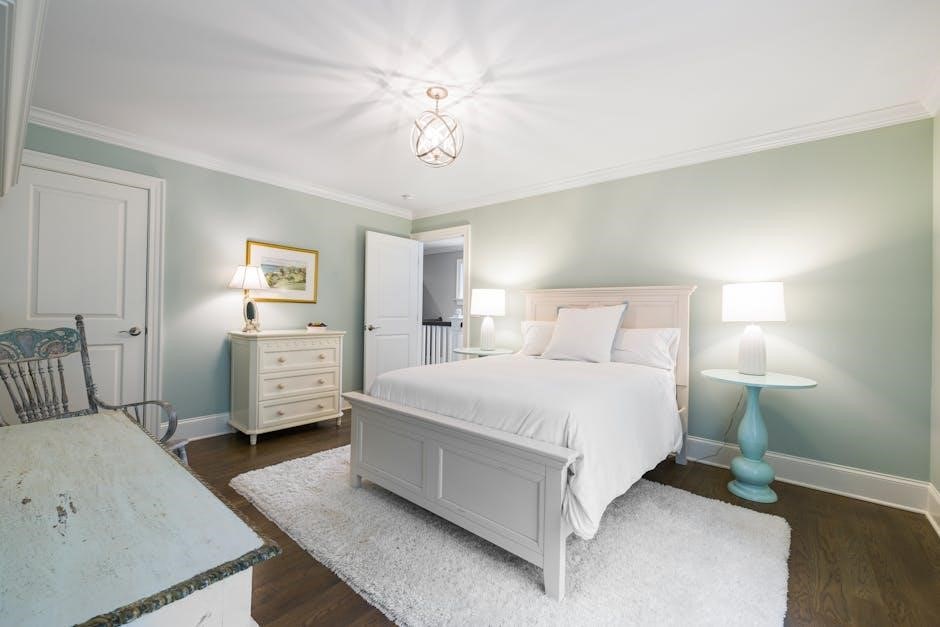
area rug for bed room size guide two queen
Area Rug Size Guide for Bedrooms with Two Queen Beds
Navigating bedroom rug sizes with two queen beds requires careful planning! Consider room dimensions, furniture placement, and desired aesthetic for a harmonious space.
Understanding Bedroom Layouts
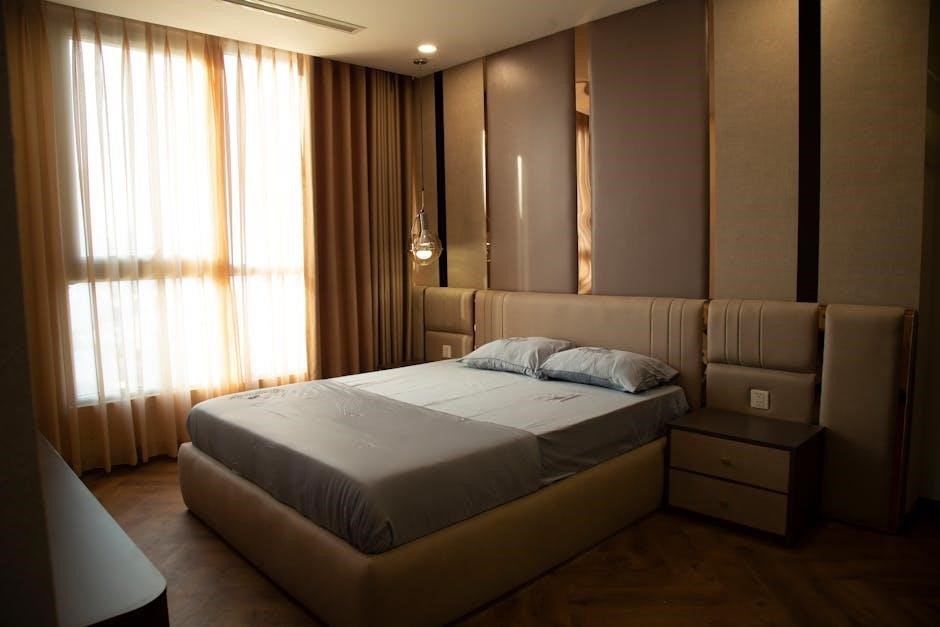
Bedroom layouts significantly impact rug size selection. Common configurations include centered beds facing a doorway, beds against opposite walls, or beds flanking a central window.
Consider walkway space around the beds and other furniture like dressers and nightstands.
A symmetrical layout, with equal space on either side of the beds, often benefits from a larger rug that unifies the space. Asymmetrical layouts might require a rug that defines each bed’s area individually.
Think about traffic flow – ensure the rug doesn’t obstruct pathways.
Centering the rug, or positioning it to highlight a focal point, can enhance the room’s aesthetic.
Understanding your room’s unique shape and furniture arrangement is crucial for choosing the right rug size.
The Importance of Rug Placement
Strategic rug placement defines the bedroom’s aesthetic and functionality. It impacts the perceived size of the room and the comfort underfoot. Three primary approaches exist: all legs on, front legs on, and floating.
“All legs on” creates a cohesive, luxurious feel, best suited for larger rooms. “Front legs on” offers a balanced look, anchoring the beds while maintaining some floor visibility.
“Floating” works in smaller spaces, defining a seating or bed area without overwhelming the room.
Nightstand placement is key; ensure they either sit entirely on the rug or are consistently positioned relative to it. Proper placement visually connects the beds and enhances the overall harmony of the bedroom.
Standard Queen Bed Dimensions
Understanding queen bed sizes is crucial for selecting the appropriate rug. While variations exist, a standard queen bed typically measures 60 inches wide and 80 inches long. However, bed frames can add several inches to these dimensions, potentially increasing the overall footprint to around 66-70 inches wide and 85-90 inches long.
Considering these additions is vital when calculating rug size. Two queen beds will, therefore, require a significantly larger rug than a single bed.
Account for potential overhang – the amount of bed frame extending beyond the mattress – when planning your rug layout. Accurate measurements ensure a properly proportioned and visually appealing bedroom arrangement.
Measuring Your Bedroom Space
Accurate room measurements are the foundation of successful rug selection. Begin by measuring the length and width of your bedroom, noting any architectural features like doorways, closets, or windows that might impact rug placement.
Next, measure the area around where the queen beds will be positioned. Consider walkway space – ideally, allow at least 24-36 inches for comfortable passage. Don’t forget to measure the distance from the bed to any other furniture, such as nightstands or dressers.
Sketching a rough floor plan can be incredibly helpful. Visualizing the space with dimensions will prevent costly mistakes and ensure a rug that complements, rather than overwhelms, the room.
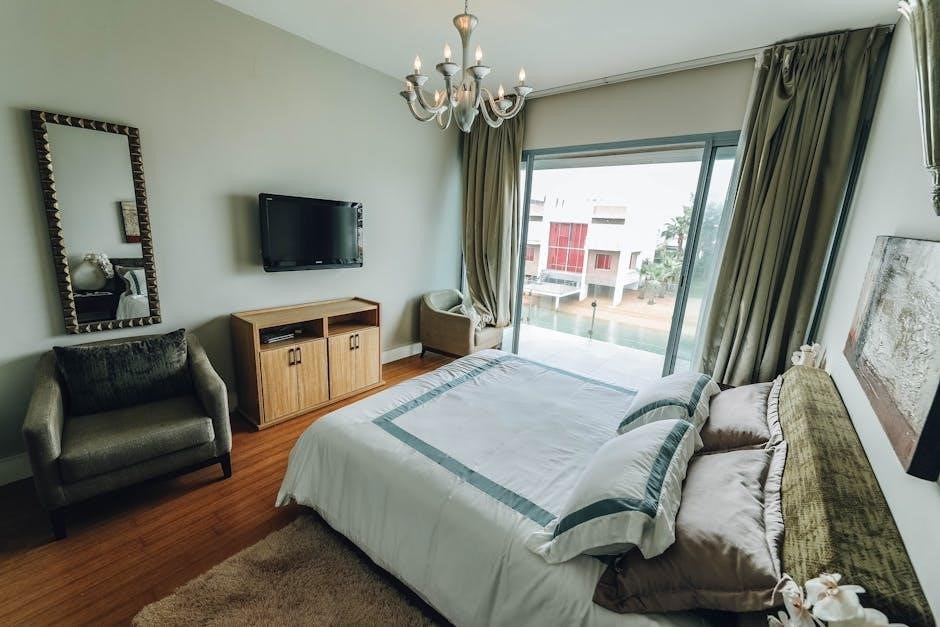
Rug Size Options for Two Queen Beds
Several rug sizes work well with two queen beds, including 8×10, 9×12, and 10×14 feet. Custom sizes offer tailored solutions for unique spaces.
8×10 Rug: A Common Choice
An 8×10 rug is frequently selected for bedrooms featuring two queen beds, offering a balance of coverage and affordability. This size typically allows the front legs of both beds to rest comfortably on the rug, creating a grounded and cohesive look.
Many sources suggest leaving approximately 18-24 inches of bare floor visible around the perimeter of the room, which an 8×10 rug can help achieve in moderately sized bedrooms. It’s a versatile option, particularly when paired with nightstands positioned on the rug’s edge.
However, in larger bedrooms, an 8×10 rug might appear too small, potentially making the space feel disjointed. Consider the overall room dimensions and furniture arrangement before committing to this size. An individual on Reddit mentioned using an 8×10 rug under one queen bed, suggesting it might be a minimum size for two.
9×12 Rug: For Larger Bedrooms
A 9×12 rug is an excellent choice for bedrooms with two queen beds that offer more spaciousness. This size provides ample coverage, allowing for greater flexibility in rug placement – all four legs of each bed can comfortably sit on the rug, creating a luxurious and unified feel.
It also allows for a more substantial border of exposed flooring around the room’s edges, maintaining visual balance. This size is particularly beneficial if you desire to incorporate additional furniture, such as accent chairs or a bench, onto the rug.
Compared to an 8×10, a 9×12 rug offers a more substantial presence, preventing the room from feeling sparse. It’s a good option when aiming for a more opulent and well-defined bedroom layout.
10×14 Rug: Creating a Luxurious Feel
Opting for a 10×14 rug transforms a bedroom with two queen beds into a truly luxurious retreat. This larger size allows for maximum coverage, comfortably accommodating both beds with all four legs firmly planted on the rug, and still leaving a generous border of flooring visible.
This expansive rug size is ideal for larger bedrooms where you want to define a substantial seating or lounging area within the space. It creates a cohesive and grounded aesthetic, making the room feel incredibly spacious and inviting.
A 10×14 rug provides a sense of opulence and allows for creative furniture arrangements, enhancing the overall comfort and style of the bedroom.
Custom Rug Sizes: Tailoring to Your Needs
Sometimes, standard rug sizes simply won’t cut it when dealing with two queen beds and unique bedroom dimensions. This is where custom rug options become invaluable, offering a perfectly tailored fit for your space.
Customization allows you to precisely match the rug’s size to your room’s layout, ensuring optimal placement and avoiding the pitfalls of rugs that are too small or overwhelm the area. You can specify the exact length and width needed to comfortably accommodate both beds and surrounding furniture.
Don’t hesitate to explore custom options! They provide unparalleled flexibility and guarantee a rug that truly complements your bedroom’s design and functionality.
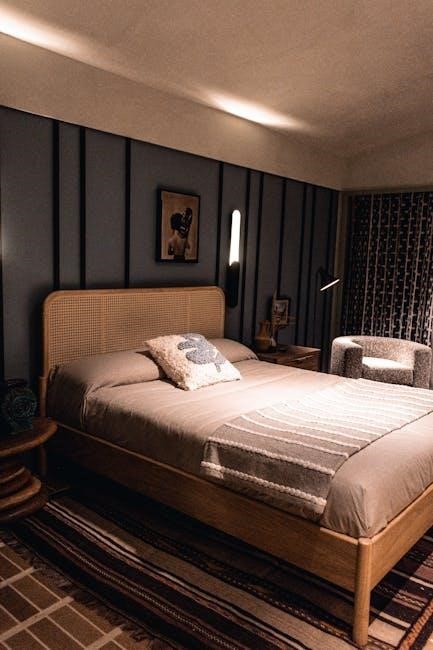
Rug Placement Strategies
Strategic rug placement defines the room’s feel! Options include all legs on, front legs on, or a floating arrangement, considering nightstand positions.
All Four Legs On the Rug
Creating a cohesive and grounded look, placing all four legs of both queen beds entirely on the rug is a popular choice. This method visually anchors the furniture and defines the sleeping area within the larger bedroom space. It’s particularly effective with larger rugs, like a 9×12 or 10×14, ensuring ample rug extends beyond the bed frames – ideally, at least 18-24 inches of exposed rug around the perimeter of both beds.
This approach offers a sense of luxury and comfort underfoot. However, it necessitates a larger investment in a bigger rug. Ensure sufficient space remains for walkways and other bedroom furniture, preventing a cramped feeling. Consider the overall room dimensions; this strategy works best in generously sized bedrooms.
Front Legs On, Back Legs Off
A balanced and cost-effective option, positioning the front legs of each queen bed on the rug while leaving the back legs off is a widely favored approach. This creates a defined yet relaxed aesthetic, offering a sense of grounding without requiring an excessively large (and expensive) rug. An 8×10 rug often works well for this arrangement, providing enough coverage under the front portion of the beds.
This placement allows for more exposed flooring, making the room feel more open. It’s a versatile choice suitable for various bedroom sizes. Ensure the rug extends at least 6-12 inches beyond the sides and foot of the beds for visual balance. Consider nightstand placement to ensure they also sit comfortably on the rug or adjacent to it.
Floating the Rug (No Legs On)
For a more modern and airy feel, consider “floating” the rug – positioning it in the center of the room without any bed legs resting upon it. This approach works best in larger bedrooms where ample floor space surrounds the beds. A 9×12 or even a 10×14 rug can effectively define the sleeping area while leaving a substantial border of exposed flooring.
This method visually separates the bed area from the rest of the room, creating a distinct zone. It’s ideal if you have beautiful flooring you want to showcase. Ensure the rug is centered and proportionally sized to the beds and surrounding furniture; a minimum of 18-24 inches of bare floor around the perimeter is recommended.
Consider Nightstand Placement
Nightstands significantly impact rug placement decisions. Ideally, at least the front legs of your nightstands should rest on the rug to create a cohesive look. If nightstands are significantly wider than the rug’s overhang, consider a larger rug size or adjusting nightstand positioning.
A common approach is to ensure the nightstands are fully on the rug, especially with the “all legs on” method. When “front legs on, back legs off,” ensure a balanced appearance on both sides of the bed. If nightstands are absent, focus on centering the rug under the beds and allowing for comfortable walkway space around them. Prioritize functionality and aesthetic harmony.

Calculating Rug Size Based on Room Dimensions
Accurate room measurements are crucial! Determine minimum width, walkway space, and account for all furniture to visualize the ideal rug size effectively.
Minimum Rug Width for Two Queen Beds
Determining the minimum rug width is paramount when accommodating two queen beds; Generally, a rug should extend at least 6-8 inches beyond the sides of each bed. Considering a standard queen bed is approximately 60 inches wide, you’ll need a rug width of at least 126-136 inches – roughly 10.5 to 11.3 feet.
However, this is a bare minimum. For a more balanced and aesthetically pleasing look, aim for a wider rug. Allowing for more rug visible around the beds creates a sense of spaciousness and prevents the setup from feeling cramped. Remember to factor in nightstands; ideally, they should either be entirely on the rug or have their front legs on it. A rug that’s too narrow will make the room feel disjointed and smaller than it is.
Allowing for Walkway Space
Prioritizing walkway space is crucial for functionality alongside aesthetics. Ensure at least 24-36 inches of clear walking path around the perimeter of the rug and beds. This prevents a cluttered feel and allows for comfortable movement within the bedroom. Consider door swings and access to closets when planning rug placement.
If the room is smaller, you might need to compromise slightly on rug size to maintain adequate walkways. Avoid placing the rug so tightly against walls that it blocks pathways. A rug that extends too far can hinder circulation. Strategic placement, leaving breathing room around furniture, will create a more inviting and practical bedroom layout, enhancing the overall flow and usability of the space.
Accounting for Furniture Beyond the Beds
Don’t limit your rug size consideration to just the queen beds! Factor in other bedroom furniture like dressers, nightstands, chairs, or a vanity. Ideally, the rug should visually connect these pieces, creating a cohesive look. If nightstands sit entirely on the rug, ensure enough space remains for bedside lamps and personal items.
Consider whether you want all furniture legs on the rug, or just the front legs. A larger rug can encompass more furniture, defining the entire seating/sleeping zone. Smaller rugs might focus solely on the bed area. Carefully assess the room’s layout and furniture arrangement to determine the optimal rug size that harmonizes all elements, avoiding a disjointed appearance.
Visualizing Rug Size with Tape
Before committing to a purchase, physically map out potential rug sizes using painter’s tape! This simple step prevents costly mistakes. Outline the dimensions of various rug sizes (8×10, 9×12, 10×14) directly on your bedroom floor.
Walk around the taped area, simulating furniture placement. Ensure sufficient walkway space – ideally 24-36 inches – around the beds and other furniture. Visualize how the rug will interact with doorways and windows. This hands-on approach provides a clear understanding of scale and proportion, helping you choose a rug size that feels balanced and comfortable within the room’s overall design.
Rug Styles and Materials
Explore diverse rug materials like wool for durability or synthetics for affordability. Consider pile height and color palettes to complement your bedroom’s aesthetic.
Wool Rugs: Durability and Comfort
Wool rugs are a classic choice, renowned for their exceptional durability and inherent softness underfoot. Naturally stain-resistant and capable of withstanding high-traffic areas, they’re a practical investment for bedrooms.
The natural fibers offer excellent insulation, contributing to a warmer and more comfortable room, particularly beneficial during colder months. Wool also possesses a luxurious texture that elevates the overall aesthetic of the space.
However, wool rugs typically come with a higher price tag compared to synthetic alternatives. They may require professional cleaning to maintain their quality and prevent damage from moths or excessive moisture. Despite the cost, the longevity and comfort of a wool rug often justify the investment for discerning homeowners.
Synthetic Rugs: Affordability and Easy Maintenance
Synthetic rugs, crafted from materials like polypropylene, polyester, or nylon, present a budget-friendly and practical solution for bedrooms with two queen beds; These rugs excel in easy maintenance, often being stain-resistant and readily cleaned with household products.
They are an excellent option for households with children or pets, where spills and accidents are more frequent. Synthetic fibers are also less prone to shedding compared to natural materials like wool.
While they may not possess the same luxurious feel as wool, advancements in manufacturing have significantly improved the texture and appearance of synthetic rugs. They offer a wide range of colors, patterns, and styles to complement any bedroom décor, making them a versatile choice.
High-Pile vs. Low-Pile Rugs
When selecting a rug for a bedroom featuring two queen beds, the pile height significantly impacts both comfort and practicality. High-pile rugs, with their plush, dense fibers, offer a luxurious underfoot feel, creating a cozy and inviting atmosphere. However, they can be more challenging to clean and may not be ideal for high-traffic areas.
Low-pile rugs, conversely, provide a sleeker, more durable surface. They are easier to maintain, making them suitable for bedrooms where pets or frequent movement are factors.
Consider the overall bedroom aesthetic; high-pile rugs lend themselves to more relaxed styles, while low-pile rugs complement modern or minimalist designs. Ultimately, the best choice depends on your lifestyle and desired level of comfort.
Color and Pattern Considerations
The color and pattern of your area rug play a crucial role in tying together a bedroom with two queen beds. Neutral tones like grays, creams, and blues offer versatility and create a calming atmosphere, allowing bedding and décor to take center stage. However, don’t shy away from bolder colors if they complement your existing palette!
Patterns can add visual interest, but consider scale. Larger patterns work well in spacious rooms, while smaller, more subtle patterns suit smaller spaces. Avoid overly busy patterns that can overwhelm the room.
Think about the mood you want to create – warm colors evoke coziness, while cool colors promote relaxation. Coordinating rug colors with bedding or accent pieces creates a cohesive look.
Avoiding Common Rug Size Mistakes
Common errors include rugs that are too small, overwhelming the space, ignoring room shape, and neglecting traffic flow. Careful planning prevents these pitfalls!
Rugs That Are Too Small
A frequently made mistake is selecting a rug that’s disproportionately small for the bedroom and two queen beds. This creates a fragmented look, making the room feel smaller and less cohesive. Ideally, a rug should anchor the furniture, not appear lost beneath it.
With two queen beds, a rug that only covers the space directly under the beds’ front legs can look awkward. It’s better to err on the side of larger, ensuring at least the front legs of both beds, and ideally all four, rest comfortably on the rug. A too-small rug can also disrupt the flow of the room, appearing as a ‘floating’ island rather than a unifying element. Consider the overall visual balance – a larger rug provides a more grounded and luxurious feel.
Rugs That Overwhelm the Space
While a larger rug is generally preferred, selecting one that’s excessively large can overwhelm a bedroom with two queen beds. This can make the room feel cramped and visually unbalanced, diminishing the impact of the furniture and other décor.
A rug that extends almost to the walls can close in the space, leaving little visible flooring and creating a boxy effect. Aim for a border of exposed flooring – typically 18-24 inches – around the perimeter of the room. This provides visual breathing room and defines the space. Consider the scale of the room; a massive rug in a smaller bedroom will feel disproportionate. Prioritize balance and ensure the rug complements, rather than dominates, the overall design.
Ignoring Room Shape
A common mistake is selecting a rug size based solely on bed dimensions, neglecting the room’s actual shape. Bedrooms aren’t always perfect rectangles! Oddly shaped rooms – those with alcoves, bay windows, or angled walls – require a more customized approach to rug selection.
A standard rectangular rug might not effectively ground the space in an irregular room. Consider a rug shape that complements the room’s geometry, perhaps a round or uniquely shaped rug. Carefully measure the usable floor space, accounting for any architectural features. Don’t force a rug size that doesn’t fit; it will disrupt the room’s flow and visual harmony. Prioritize a rug that defines the seating or sleeping area within the room’s unique layout.
Not Considering Traffic Patterns
Failing to account for how you move through the bedroom is a significant rug-sizing error. Consider the pathways to doors, closets, and windows. A rug shouldn’t obstruct these essential routes, creating a tripping hazard or a cramped feeling.
Ensure ample clear floor space around the beds and furniture for comfortable circulation. Ideally, walkways should be at least 24-36 inches wide. If the rug covers a high-traffic area, choose a durable material that can withstand wear and tear. Avoid placing a rug directly in front of a frequently used door, as it can become a safety concern. Prioritize functionality alongside aesthetics when determining rug placement and size.
Resources for Rug Shopping
Explore online retailers and local stores for diverse options! Read reviews carefully and understand return policies before purchasing your ideal bedroom rug.
Online Rug Retailers
Numerous online retailers offer extensive rug selections for bedrooms featuring two queen beds. Websites like Rugs USA, Wayfair, and Overstock frequently have sales and a wide variety of styles, sizes, and materials. Amazon also presents a considerable range, often with quick shipping for Prime members.
Before committing, utilize filtering options to narrow your search by size (8×10, 9×12, etc.), color, and price. Pay close attention to product descriptions detailing rug construction and pile height. Many retailers offer virtual room visualization tools, allowing you to upload a photo of your bedroom and “place” rugs within the space to assess suitability.
Don’t overlook smaller, specialized online stores that may focus on specific rug types, such as vintage or handmade options. Always verify the retailer’s return policy before purchase, ensuring a hassle-free experience if the rug doesn’t meet your expectations.
Local Rug Stores
Visiting local rug stores provides a tactile experience invaluable when selecting a rug for a bedroom with two queen beds. You can physically assess the rug’s texture, pile, and color accuracy – elements often misrepresented in online images. Local stores frequently offer expert advice from knowledgeable staff who can assist with size and style recommendations based on your room’s dimensions and décor.
Take your bedroom measurements with you! Many stores offer in-home consultations, where a professional will visit your space to provide personalized guidance. While potentially more expensive than online options, local stores often carry higher-quality, unique rugs not readily available elsewhere.
Don’t hesitate to inquire about custom rug options if standard sizes don’t quite fit your needs. Supporting local businesses also contributes to your community’s economic vitality.
Reading Rug Reviews
Before purchasing a rug for your bedroom with two queen beds, thoroughly reading online reviews is crucial. These reviews offer insights into the rug’s real-world performance, beyond the manufacturer’s description. Pay attention to comments regarding durability, color accuracy (often differing from photos), shedding, and ease of cleaning;
Look for reviews specifically mentioning use in bedrooms, as this provides relevant feedback on comfort and noise reduction. Filter reviews by star rating to quickly identify common issues or praises. Be wary of overly positive or negative reviews that lack detail – these may be biased.
Consider the reviewer’s needs and priorities. A review mentioning pet-friendliness is valuable if you have animals. Genuine reviews help ensure your rug choice meets your expectations.
Understanding Rug Return Policies
A clear understanding of a retailer’s return policy is paramount when investing in a rug for a bedroom featuring two queen beds. Rugs are a significant purchase, and visualizing the size and color in your space can be challenging. Scrutinize the return window – typically ranging from 30 to 60 days – and any associated return shipping costs.
Note if the policy requires you to pay for return shipping, which can be substantial due to the rug’s size and weight. Check for restocking fees, which can diminish the refund amount. Some retailers offer free returns, making the purchase risk-free.
Confirm the rug must be in its original condition, with tags attached, to qualify for a full refund. Always retain proof of purchase!