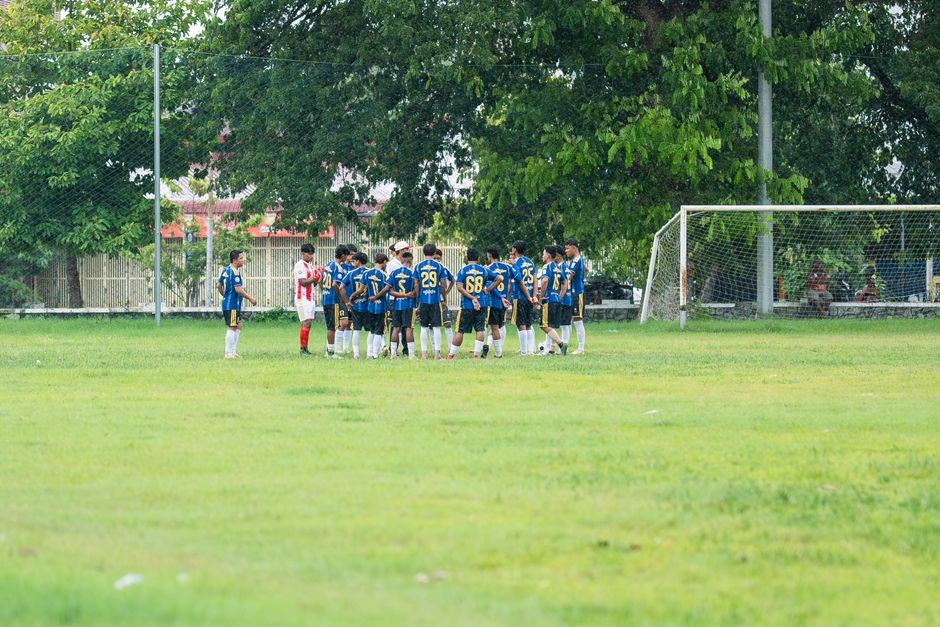
u10 soccer practice plans pdf
Overview of U10 Soccer Practice Plans in PDF Format
These downloadable PDFs give coaches a ready‑made framework, complete with session timelines, drill diagrams, and skill progression charts. They help streamline prep, ensure balanced skill focus, and keep young players engaged while tracking development. They also provide worksheets for tracking day.
Benefits of Using PDF Practice Plans for U10 Coaches
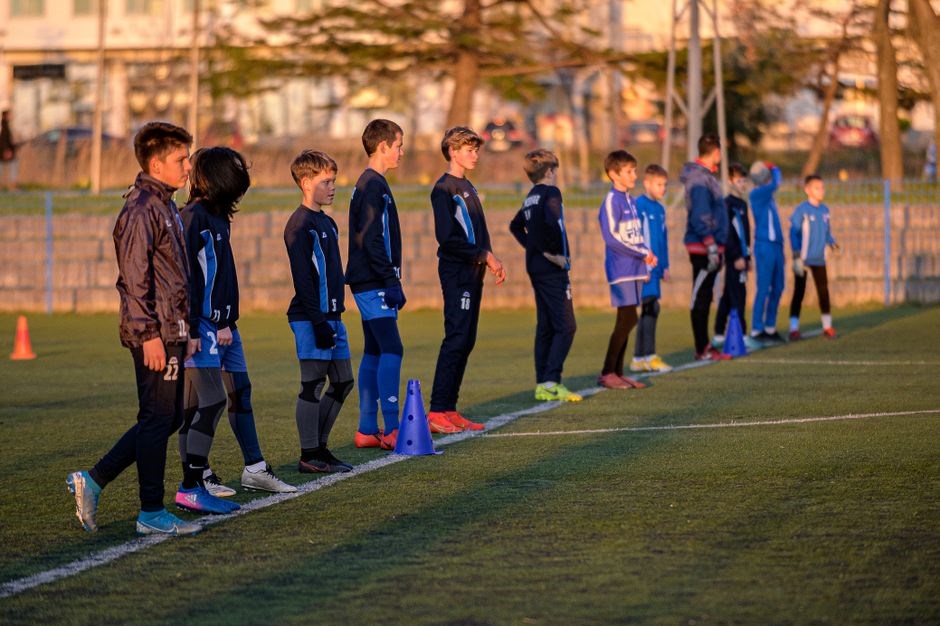
PDF practice plans offer U10 coaches a structured, time‑efficient solution that reduces pre‑practice preparation time. By providing clear objectives, warm‑up sequences, technical drills, tactical scenarios, and conditioning blocks, coaches can focus on coaching rather than paperwork. The visual layout—complete with diagrams, timing charts, and progression notes—helps young players grasp concepts quickly, fostering confidence and skill retention. PDF files are portable and can be printed or displayed on tablets, allowing flexibility in crowded fields or during travel. They also serve as a consistent reference that can be shared with parents, ensuring everyone understands the session’s goals and expectations. Moreover, the ability to annotate PDFs on the fly lets coaches adapt drills to the day’s energy level or address emerging weaknesses without creating new documents. The standardized format promotes equity across teams, as all players receive the same quality instruction regardless of coaching experience. Finally, the digital nature of PDFs supports eco‑friendly practices and reduces clutter, making them an attractive option for modern youth soccer programs.
Coaches can also integrate feedback loops by attaching evaluation sheets that players fill out after each drill, fostering self‑reflection and goal setting. The PDF format allows for easy updates; a single click can replace outdated drills with newer, evidence‑based practices, ensuring compliance with evolving youth development guidelines. Additionally, sharing PDFs with assistant coaches or volunteer parents creates a unified coaching philosophy, reducing confusion during matches. The portability of PDFs means that even in low‑resource settings, teams can access high‑quality plans without costly subscriptions. Finally, the environmental benefit of digital distribution aligns with many clubs’ sustainability initiatives
Key Components of a U10 Practice Plan PDF
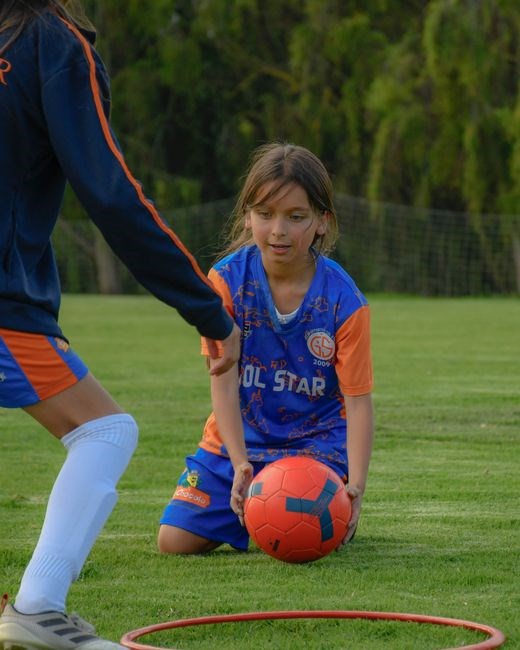
Each PDF details a 60‑minute session: a warm‑up, 3 skill drills (passing, dribbling, shooting), 2 tactical games, conditioning bursts, and a cool‑down. Charts, timing cues, and progression notes guide balanced, age‑appropriate training. for all team!
Warm‑Up Section
In the U10 PDF, the warm‑up occupies the first 10 minutes, balancing cardiovascular activation with mobility. It begins with a 2‑minute jog around the field, encouraging players to breathe rhythmically. Next, dynamic stretches—high knees, butt kicks, side lunges, and arm circles—are performed in 30‑second bursts, each followed by a 10‑second rest to maintain focus.
After mobility, a movement game such as “Red Light, Green Light” or “Sharks & Minnows” is introduced. These games last 3 minutes and blend fun with skills: stops, starts, and directional changes. Coaches use clear verbal cues (“Stop! Go!”) to reinforce listening and reaction time.
Transitioning to the technical drill, a 2‑minute relay is set up: players pass a ball to a teammate, sprint back, and repeat. This activity increases heart rate while practicing passing accuracy and sprinting mechanics. The relay is timed with a whistle every 30 seconds to keep intensity high.
Finally, a 1‑minute “Simon Says” style drill is used to simulate the upcoming skill focus—e.g., “Simon says touch the ball with your left foot.” This primes the muscle groups needed for the session’s drills. The warm‑up ends with a 30‑second cool‑down jog and static stretches, ensuring players are ready for the next phase while reducing muscle soreness.
Overall, the warm‑up is structured to elevate heart rate, improve joint range, and mentally prepare kids for skill work, all while keeping the atmosphere playful and engaging. Coaches can adjust the duration of each activity to fit the team’s energy level, ensuring that every child feels included and motivated. teamwork! fun
Technical Drills
In the PDF, the technical section is split into three 8‑minute blocks, each focusing on a core skill: passing, dribbling, and shooting. The first block starts with a “Wall Pass” drill where players pair up, stand 10 feet apart, and practice short, accurate passes using the inside of the foot. Coaches emphasize proper foot placement and follow‑through, and they use a 30‑second timer to keep the drill fast and engaging.
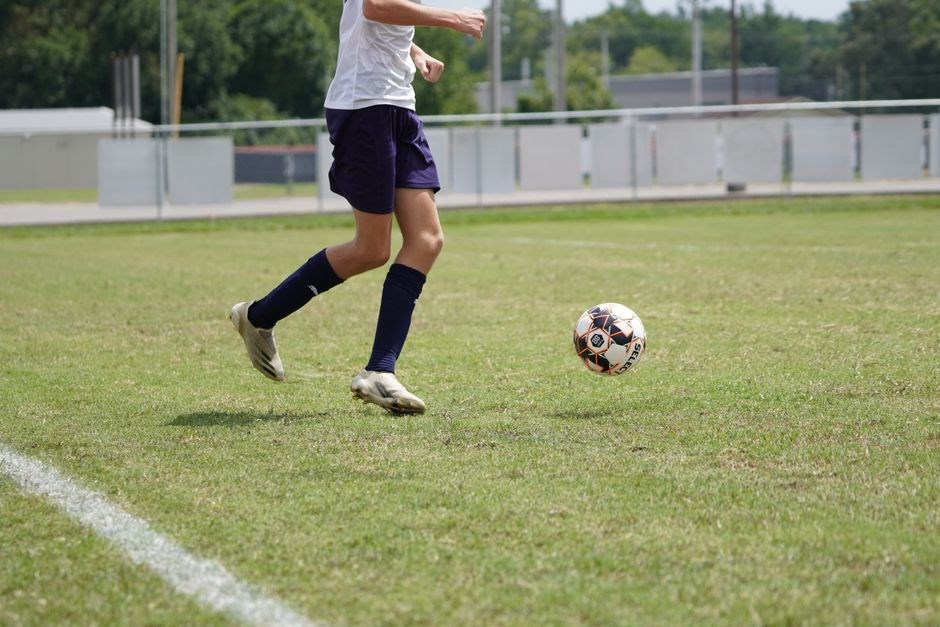
Next, a “Cone Dribble” circuit is introduced. Players weave through a line of cones, alternating between left‑foot and right‑foot touches. The drill is set up in a 20‑by‑20 yard square, and each child is timed for 30 seconds. Coaches rotate the group every minute, ensuring that every player experiences both speed and ball control under pressure.
The final block is a “Target Shooting” exercise. Small goals are placed at each corner of the field, and players take turns shooting from a designated spot 15 yards out. The PDF includes a scoring sheet where coaches record the number of goals per player, providing immediate feedback and a clear progression metric for the season.
Throughout the technical drills, the PDF encourages the use of visual markers—such as colored cones or chalk lines to help children understand spatial relationships. It also recommends short, 10‑second rest periods between sets to maintain high energy levels while now. Coaches are advised to give instant, positive reinforcement, focusing on effort and correct technique rather than just outcomes.
Tactical Drills
In the PDF, the tactical section is designed to introduce U10 players to basic positional play and simple game concepts. The first drill, “Mini‑Game 2v2,” is set up in a 20‑by‑20 yard square. Players are assigned a forward, defender, or midfielder role, and the coach calls out “attack” or “defend” to encourage quick decision‑making. The PDF recommends rotating roles every five minutes to ensure all children experience each position.
The second drill, “Shape Awareness,” uses a large rectangle marked with cones. Players must maintain a 1‑on‑1 defensive shape while the coach passes a ball from side to side. The PDF includes a diagram that shows the ideal distance between defenders and the ball, and it encourages coaches to shout “keep shape” to reinforce the concept. Timing is set at 45 seconds per set, with a 15‑second rest.
The final drill, “Passing Triangle,” is a 3‑player passing exercise that emphasizes quick ball movement and communication. Players stand in a triangle, pass the ball, and then move to the next spot. The PDF suggests adding a defender after the first minute to increase pressure, and it provides a simple score sheet to track successful passes. Coaches are encouraged to use verbal cues such as “look, pass, move” to reinforce the sequence.
The PDF also includes a reference sheet that lists key terms like “offside,” “corner,” and “dribble,” reinforcing terminology during drills. This ensures children practice skills while learning the game’s language!!
Conditioning and Cool‑Down
In the PDF, the conditioning segment is tailored for U10 athletes, focusing on light aerobic work, agility, and a gentle cool‑down. The first part, “Dynamic Warm‑Up,” lasts 5 minutes and includes high‑knee marches, butt kicks, and side shuffles, all spaced out by 10‑second intervals. The PDF provides a concise diagram showing the sequence, ensuring coaches can guide the kids without confusion.
Next, “Agility Ladder” drills occupy 7 minutes. The ladder, placed on the field, is used for quick footwork exercises: one‑foot hops, two‑foot hops, and lateral shuffles. The PDF recommends a 30‑second work period followed by a 15‑second rest, repeating the cycle three times; This keeps the intensity moderate while developing coordination.
The “Mini‑Sprint” segment lasts 4 minutes. Players sprint 10 meters, then jog back, repeating the cycle 8 times. The PDF includes a timing chart to help coaches keep the pace consistent. After the sprints, a 3‑minute “Stretch” routine follows, featuring hamstring, quad, calf, and shoulder stretches. Each stretch is held for 20 seconds, with the PDF encouraging coaches to remind players to breathe deeply and relax.
Finally, the PDF offers a “Cool‑Down” checklist: a 5‑minute walk to lower heart rate, a short breathing exercise, and a brief team talk. The checklist ensures that every session ends safely, reducing injury risk and promoting recovery. Coaches can print the PDF and use the checklist as a reference during every practice.
Where to Find High‑Quality U10 Soccer Practice Plan PDFs
Finding reliable U10 practice plans in PDF format is easier than ever thanks to a growing number of online resources dedicated to youth soccer coaching. The official U.S. Soccer website hosts a library of downloadable PDFs that cover every age group, including U10. These files are vetted by certified coaches, ensuring they meet age‑appropriate skill levels and safety guidelines. The National Soccer Coaches Association of America (NSCAA) offers a selection of free and premium PDFs through its member portal; non‑members can still access a limited set of practice templates after registering with a short form. Local coaches often upload their own PDFs to the Youth Soccer Coaching Network, accompanied by video demonstrations and detailed commentary. The Soccer Coaching Academy sells professionally designed practice plans in PDF format with a focus on progressive skill development and tactical awareness. Many plans include printable worksheets for tracking player progress, making them ideal for small‑team environments. Commercial platforms such as Coach’s Corner and SoccerPro provide subscription services that bundle PDF plans with interactive tools, allowing coaches to adapt drills on the fly. By exploring these options, a U10 coach can quickly assemble a comprehensive, high‑quality practice library that saves time and enhances training quality.
Coaches can also attend regional clinics where free PDF templates are shared during workshops. Social media groups on Facebook and Reddit often post updated plans, keeping coaches current with new methods. By using these sources, U10 coaches can build a personalized library that balances skill growth, tactical insight, and fun.
This flexibility saves time boosts morale.
Customizing Practice Plans for Your Team’s Needs
Tailor PDFs by adjusting drill duration, skill level, and team size. Add or remove sections, swap in new warm‑ups, or insert video links. Use color‑coded sheets to track progress, and modify tactical setups to match your squad’s strengths. Consistency keeps players engaged. and adjust tempo for energy.!
Adjusting Drill Difficulty
When tailoring a PDF plan for a U10 squad, assess each child’s skill level and confidence. Map a baseline for every drill: note required passing distance, number of defenders, or time allotted. Adjust parameters to create a spectrum of difficulty that keeps every player challenged yet achievable.
For passing drills, reduce the distance for beginners and extend it for advanced groups today. Add a “no touch” rule for those who can handle pressure, or introduce a “keep‑away” element to boost decision‑making. Vary shooting angles and use a smaller goal for younger players.
In tactical sessions, start with a 2‑v‑2 or 3‑v‑3 on a small pitch, then progress to 4‑v‑4 or 5‑v‑5 as confidence builds. Use markers to enforce spacing. For conditioning, switch from a simple jog to a shuttle run, then to a relay that incorporates dribbling.
Always document each adjustment in the PDF’s “Modifications” column, noting rationale and expected outcome. This creates a living record that coaches can revisit, ensuring consistency across seasons and allowing data‑driven decisions.
Coaches should consider environmental factors—weather, field condition, and equipment quality—when scaling drills. A wet pitch may require shorter passes, while a dry surface allows longer, dynamic movements. Integrating these tweaks makes the PDF a flexible guide that adapts to real‑time conditions, ensuring safety and maximizing learning.
Remember, the goal is progression, not perfection; small, consistent steps lead to lasting skill growth. !
Incorporating Team Strengths and Weaknesses
Start by conducting a quick skills audit during the first week: record passing accuracy, dribbling control, and defensive positioning for each player. Highlight collective strengths—such as a solid midfield passing rhythm or a fast back‑line—and pinpoint gaps like limited shooting range or weak set‑piece execution. Use this data to structure the PDF’s drill list: cluster drills that reinforce strengths (e.g., a 3‑v‑3 passing chain to build on midfield cohesion) while layering corrective work in weaker areas. Rotate players through stations that target specific deficits, ensuring each child receives focused attention. Incorporate a “strength showcase” segment where the team practices a play that capitalizes on their best attributes, boosting confidence and cohesion. Simultaneously, schedule a “weakness workshop” that uses small‑group instruction and video analysis to break down mistakes. Adjust the PDF’s timing: allocate extra minutes to the weaker drill, then shorten the stronger ones to maintain balance. Keep a “progress log” in the PDF to track improvement over weeks, noting when a previously weak skill now meets the desired standard. This dynamic approach turns a static PDF into a responsive training tool that evolves with the squad, fostering continuous development and a competitive edge. Consistency builds trust!!
When planning U10 sessions, balance intensity, skill acquisition, and recovery. A typical schedule follows a 3‑day cycle: two practice days and one rest or active‑recovery day. Each practice lasts 60–75 minutes, split into a 10‑minute warm‑up, 35‑40 minutes of drills, and a 10‑minute cool‑down. The PDF template should include a calendar grid where coaches mark session dates, themes, and objectives. For younger players, keep the weekly volume low—no more than 3–4 sessions to avoid over‑training. If the team competes in a league, adjust practice frequency to accommodate match days, ensuring at least 48 hours before a game. Use the PDF’s “Session Planner” section to note any special focus, such as set‑piece work or tactical drills, and to record attendance. Incorporate a “Progress Tracker” that logs key metrics (passing accuracy, dribbling success, defensive positioning) after each session. This data informs future scheduling: if a skill plateau appears, add an extra drill day focused on that area. Finally, schedule a mid‑season review in the PDF to reassess the practice rhythm, adjust intensity, and set new goals. Consistent, data‑driven scheduling maximizes development while safeguarding young athletes’ well‑being. By integrating this structured approach, coaches can easily adjust session length, intensity, and focus areas, ensuring each child receives age‑appropriate challenges that promote growth, confidence, lifelong love for the game, respecting the physical limits inherent to this developmental stage!!!
Safety and Injury Prevention in U10 Soccer Practices
Ensuring the well‑being of U10 players starts with a pre‑session assessment. Coaches should verify that each child wears gear for safety. OK in training. The PDF plan should feature a “Safety Checklist” before every drill, reminding staff to inspect equipment, confirm adequate hydration, and confirm that the playing surface is free of debris. Warm‑ups must emphasize dynamic mobility and joint stability; a 10‑minute circuit of lunges, high‑knee runs, and side‑shuffles reduces the risk of muscle strains. During technical drills, rotate players to avoid over‑use of a single limb and incorporate “rest‑interval” cues. For tactical sessions, limit contact to controlled passing drills and use a “no‑contact” zone for young defenders. Conditioning should be short bursts (30–45 seconds) followed by full‑body recovery to protect against over‑exertion. Cool‑downs must include static stretches and a brief review of proper breathing techniques. The PDF template should embed a “Injury Log” where staff record any sprains, strains, or heat‑related incidents, noting severity and recommended follow‑up. Coaches must also schedule a quarterly “First‑Aid” refresher for all staff, ensuring everyone knows how to respond to common soccer injuries. Finally, embed a “Parental Consent” section that confirms each child’s medical clearance and emergency contact details. By integrating these protocols into the U10 PDF plan, teams can maintain a safe environment that prioritizes player health, reduces injury risk, and fosters confidence on the field.
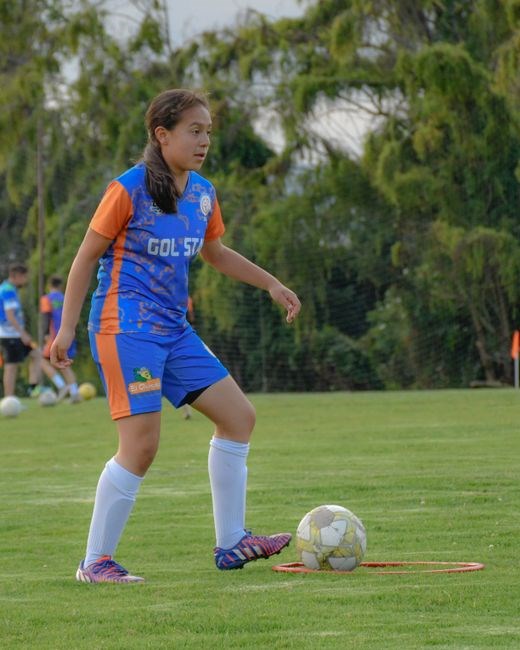
Equipment List for U10 Practice Sessions

For a well‑structured U10 training day, the PDF plan should outline a concise yet comprehensive gear list that balances safety, functionality, and cost. The core items are:
- Cones (20–30): Durable plastic or rubber, 30–45 cm tall, used for marking boundaries, passing lanes, and obstacle courses.
- Mini‑Goals (4–6): Lightweight frames with netting, 1.2 m wide by 0.8 m tall, ideal for shooting drills and scrimmage.
- Training Bibs (2–3 colors): High‑visibility, breathable fabric, each set of 10‑12 to separate teams during drills.
- First‑Aid Kit: Bandages, antiseptic wipes, elastic bandage, gauze, and a small ice pack for immediate treatment of sprains or cuts.
- Water Bottles (one per player): 500 ml capacity, reusable, with a secure cap to prevent spills.
- Whistle: Loud, clear, and durable, for signaling starts, stops, and transitions.
- Stopwatch or Timer: Digital or analog, to time intervals and keep drills on schedule.
- Goalkeeper Gloves (optional): Light‑weight, padded, for any goalkeeper drills.
- First‑Aid Manual or Quick‑Reference Sheet: Printed PDF or laminated card with emergency contact numbers and basic treatment steps.
Optional extras that enhance the experience include a portable speaker for music, a small chalkboard or whiteboard for quick tactical notes, and a collapsible shade canopy for outdoor sessions in hot weather. The PDF should also recommend a storage solution—such as a dedicated bag or locker—so that all gear remains organized and ready for the next practice. By clearly listing these items, coaches can ensure each session starts smoothly, players stay focused, and safety protocols are upheld.
Remember to review the equipment list before each session to confirm availability and condition, ensuring a seamless and safe training experience.
Additionally, keep spare cones. Reserve bibs. Extra water.