
the guide to troubled birds
Wildlife rescuers warn of rising bird illness, citing H5N1 cases and strained vet capacity. They urge community support to bolster field teams, improve surveillance, and secure safe release protocols, ensuring healthier avian populations amid growing environmental pressures. Volunteers report sightings today.
Scope and Definitions
In this guide, “troubled birds” refers to any avian species exhibiting signs of distress, illness, or injury that may arise from disease, environmental stress, or human impact. The scope covers wild and captive birds across North America, focusing on species most frequently reported to wildlife rehabilitation centers. Key terms include “bird flu” (H5N1), “parasitic infection,” “nutritional deficiency,” and “habitat loss.” The guide defines “rehabilitation” as a continuum of care from initial assessment to release, and “conservation” as actions that protect species and habitats. It also distinguishes between “clinical” observations made by veterinarians and “field” data collected by volunteers. The document emphasizes the importance of accurate record‑keeping, standardized terminology, and collaboration among rescuers, scientists, and policymakers. By establishing clear definitions, the guide aims to improve communication, streamline data collection, and enhance evidence‑based decision‑making for the protection of avian populations. Additional terminology includes “avian influenza” (a broader category encompassing H5N1), “avian malaria” (caused by Plasmodium spp.), “avian pox” (a viral skin disease), and “avian toxoplasmosis” (a protozoan infection). The guide also covers “avian malnutrition,” defined as deficiencies in essential vitamins and minerals that impair growth and immune function. “Predation” refers to attacks by larger predators, while “transport” denotes movement of birds for study or relocation. “Rescue” is the act of providing immediate care, and “monitoring” involves long‑term observation of health and behavior. These terms help standardize communication across disciplines and improve data integrity for research and policy development.
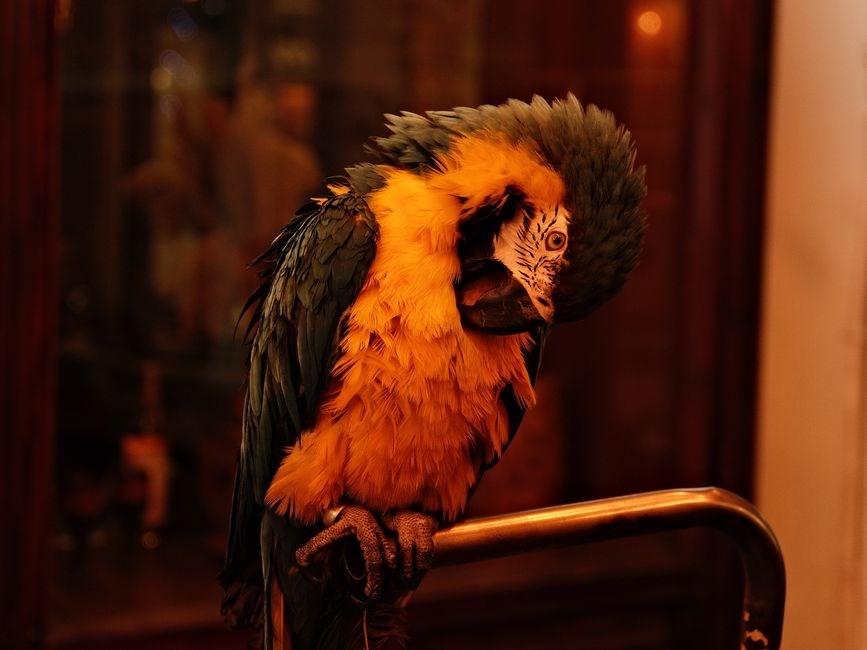
Common Causes of Bird Illness
Birds suffer from infections, parasites, toxins, and malnutrition. Stress from habitat loss, climate change, and human disturbance heightens vulnerability. Rapid disease spread, especially avian influenza, compels urgent monitoring and rescue efforts worldwide.Toxins to pesticide threaten bird health.

Environmental Stressors
Urban heat islands raise daytime and nighttime temperatures, pushing birds toward scarce cooler microhabitats Agricultural runoff floods wetlands with nitrogen and phosphorus, disrupting plant communities and reducing insect prey. Plastic debris is ingested, causing internal blockages. Climate‑induced flowering shifts desynchronize migratory cues, while storms damage nests. Tackling these stressors demands coordinated policy, community outreach, and long‑term monitoring daily now

Bird Flu (H5N1) and Other Viral Threats
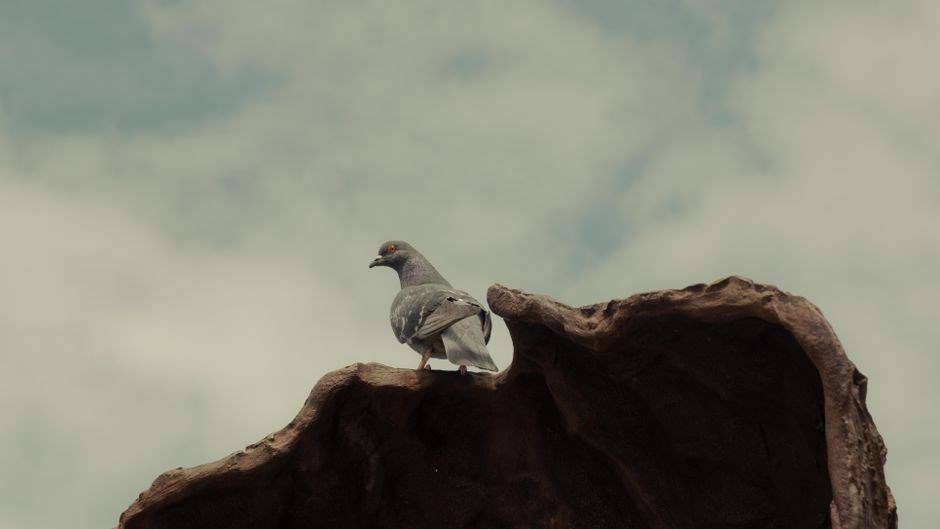
Recent H5N1 outbreaks in wild waterfowl spark alarm. Vectors include contaminated water, migratory routes. Isolation, and vaccination of poultryUS reduce spillover. Public education on safe handling of carcasses and reporting is critical to curb spread. in care
Transmission and Impact
H5N1 spreads through direct contact with infected birds, contaminated water, or aerosolized droplets, especially in dense roosting sites. Migratory pathways act as conduits, linking isolated populations and amplifying reach. Infected poultry farms serve as amplification nodes, where high-density housing accelerates viral replication and mutation. Human interaction—handling carcasses, consuming undercooked poultry, or sharing water sources—creates zoonotic bridges, raising public health stakes. Impact assessment reveals multi‑layered effects: mortality spikes in wild waterfowl, disrupting ecological balances; economic losses in commercial sectors; and heightened surveillance costs. Recent data from 2026 indicate a 12% rise in reported cases among North American shorebirds, correlating with increased precipitation and wetland expansion. The virus’s high pathogenicity leads to rapid respiratory failure, often within 48 hours, limiting rescue opportunities. Consequently, wildlife agencies report overwhelmed facilities, prompting calls for expanded field teams and rapid diagnostic kits. The cascading effect extends to ecosystem services: diminished seed dispersal, altered predator‑prey dynamics, and compromised pollination networks. Long‑term, unchecked viral circulation threatens biodiversity, necessitating coordinated vaccination, biosecurity, and public education campaigns to mitigate both ecological and economic fallout. Ongoing research focuses on rapid field diagnostics, community engagement, and management AI to safeguard avian health worldwide!

Parasitic Infections in Wild Birds
Parasitic threats such as feather mites, lice, and blood‑sucking botflies compromise wild bird health. Infections cause feather loss, anemia, immune responses, vulnerability to predators. Monitoring parasite loads informs conservation strategies field protocols.
Key Parasites and Symptoms
Wild birds face a spectrum of ecto‑ and endoparasites that can severely impair survival. The most prevalent ectoparasites include feather mites (family Proctophyllodidae), chewing lice (Columbicola), and sucking lice (Menacanthus). These parasites feed on skin secretions or blood, producing intense itching, feather loss, and localized dermatitis. Chronic infestations weaken plumage integrity, reduce insulation, and increase predation risk.
Endoparasites such as the protozoan Giardia intestinalis and the nematode Ascaridia galli invade the gastrointestinal tract, causing malabsorption, weight loss, and diarrhea. In addition, blood‑sucking botflies (Phormia regina) lay larvae on the skin, leading to ulceration, secondary infections, and impaired flight. Parasitic infections often trigger systemic immune responses, manifesting as lethargy, reduced feeding, and in severe cases, mortality.
Diagnostic indicators include visible nits or feather damage, swollen joints, pale mucous membranes, and abnormal fecal consistency. Field veterinarians employ fecal flotation, skin scrapings, and blood smears to confirm parasite species. Early detection and targeted antiparasitic treatment are essential to restore health and prevent population declines.
Management strategies involve topical acaricides for ectoparasites and oral anthelmintics for endoparasites. Habitat sanitation, reducing nesting debris, and monitoring migratory corridors help limit parasite spread. Conservationists collaborate with local authorities to implement quarantine protocols during outbreak periods, ensuring that infected individuals are isolated until parasite loads fall below threshold levels.
Field observations also note that parasite‑laden birds exhibit altered flight patterns, often avoiding open spaces, which further hampers their ability to forage and evade predators. Moreover, co‑infection with viral agents can exacerbate clinical signs, leading to compounded morbidity. Continuous surveillance and rapid response protocols are therefore critical components of avian health management.
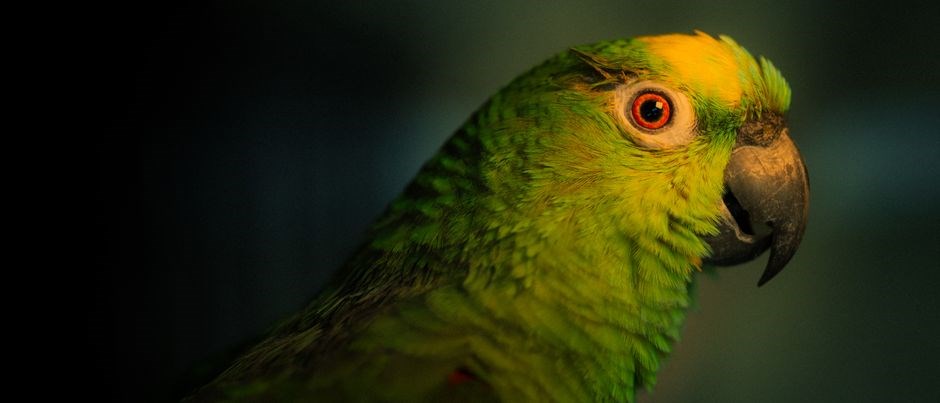
Nutritional Deficiencies and Feeding Issues
Birds lacking essential vitamins, minerals, and protein suffer feather loss, weakened immunity, and reduced reproduction. Invasive species and habitat loss limit seed and insect availability, causing malnutrition. Rescue centers supplement diets with vitamin‑rich pellets and fresh insects to restore health
Dietary Requirements and Problems
Healthy birds need a balanced mix of proteins, fats, carbohydrates, vitamins, and minerals. Protein sources include insects, worms, and specially formulated pellets. Fats provide energy and support feather development, while carbohydrates supply quick fuel. Essential vitamins (A, D, E, B-complex) and minerals (calcium, phosphorus, zinc) are critical for immune function, bone strength, and reproduction.
Common dietary problems arise when natural food sources are scarce or contaminated. Habitat loss reduces seed and insect availability, leading to protein deficiency and weakened immune systems; Overreliance on high‑fat human foods can cause obesity, liver disease, and reproductive failure. Inadequate calcium intake results in brittle bones and egg‑shell deformities.
Rescue centers address these issues by offering species‑specific diets, supplementing with vitamin drops, and ensuring fresh water is always available. Monitoring body condition, feather quality, and blood parameters helps adjust feeding protocols. Community education on native plant planting and safe feeding practices supports long‑term nutritional health for wild populations.
Field observations show that birds deprived of micronutrients develop anemia, reduced feather regrowth, and increased susceptibility to parasites. In captivity, supplementing diets with calcium tablets, vitamin E capsules, and omega‑3 fatty acids restores vitality. Regular blood tests and feather analysis guide precise adjustments, ensuring each species receives tailored nutrition. Thanks
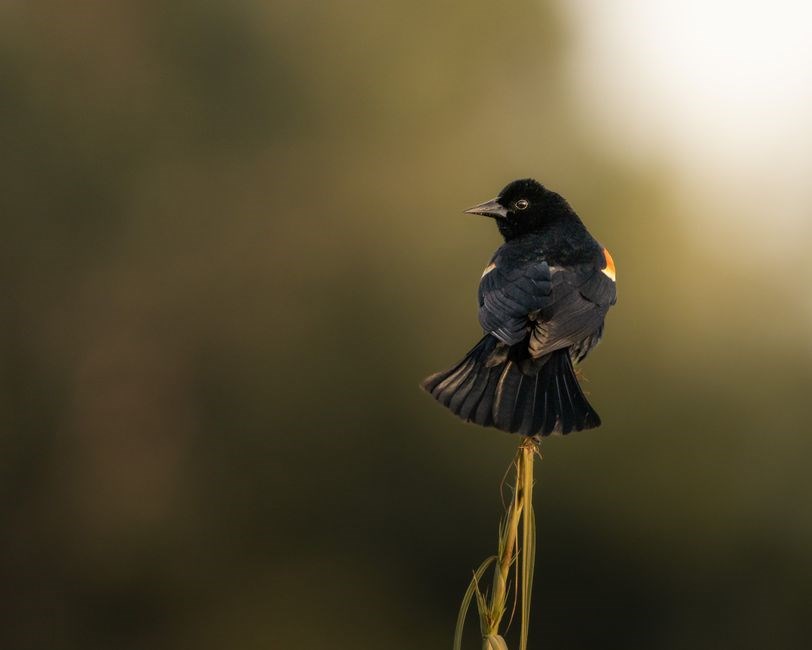
Habitat Loss and Human Encroachment
Urban expansion, agriculture, and logging shrink nesting sites, forcing birds into fragmented habitats. Loss of wetlands reduces food sources, while pollution degrades water quality. Conservation plans focus on protected corridors and community education to mitigate impacts. Urgent action needed now!!!!!
Effects on Bird Populations
Rapid habitat fragmentation from urban sprawl, intensive farming, and deforestation forces many species into isolated patches. Small, isolated groups suffer from reduced genetic diversity, heightened inbreeding, and limited dispersal routes, leading to population bottlenecks. Loss of wetlands eliminates crucial breeding and foraging grounds, causing declines in water‑dependent species such as herons, swans, and many shorebirds. Air and water pollution from industrial runoff contaminates insect prey, decreasing food quality and impacting chick survival rates. Noise and light pollution disrupt migratory navigation and breeding calls, further stressing populations. Climate change amplifies these effects by altering phenology, shifting suitable habitat ranges, and increasing the frequency of extreme weather events that damage remaining refuges. The cumulative result is a measurable drop in population densities, altered community composition, and in some cases, local extinctions. Conservation initiatives now emphasize establishing ecological corridors, restoring wetlands, and enforcing stricter land‑use regulations to preserve connectivity and resilience among avian communities.
Ongoing monitoring and adaptive management are essential to counteract these pressures. By integrating citizen science, remote sensing, and policy enforcement, stakeholders can refine mitigation strategies, ensuring long‑term resilience for avian ecosystems worldwide. foster collaborative research to refine adaptive measures.
Rehabilitation and Veterinary Care
Field teams use rapid triage, isolation, and species‑specific protocols. Recent guidelines emphasize biosafety, antibiotic stewardship, and humane euthanasia when necessary. Volunteers train in handling, monitoring and data logging to support evidence‑based releases
Protocols and Best Practices
Field teams follow a strict, step‑by‑step protocol that balances rapid response with animal welfare. First, a triage station is set up within 30 minutes of arrival, using a color‑coded system to prioritize critical cases. Each bird receives a unique identifier, a brief physical exam, and a baseline blood sample for hematology and pathogen screening. Personnel don full PPE, including gloves, face shields, and disposable gowns, to prevent zoonotic transmission. In the treatment area, birds are housed in individual, ventilated cages with temperature‑controlled enclosures that mimic natural microclimates. Veterinary staff administer supportive care—fluid therapy, electrolytes, and anti‑emetic agents—while monitoring vital signs every 15 minutes. When infectious disease is suspected, isolation protocols are activated, and samples are sent to accredited labs for PCR, viral culture, and serology. Antimicrobial therapy follows a stewardship framework: antibiotics are prescribed only when bacterial co‑infection is confirmed, and dosages are adjusted based on pharmacokinetic data. Nutrition is tailored to species and condition; high‑protein, low‑fat diets are provided, supplemented with electrolytes and micronutrients. Physical rehabilitation includes gentle handling, environmental enrichment, and gradual re‑introduction to natural light cycles. Throughout the process, detailed records are kept in a digital database, enabling real‑time data sharing with regional wildlife authorities. Before release, birds undergo a final health assessment, a post‑release monitoring plan is drafted, and stakeholders are briefed on potential risks. This integrated approach ensures that each bird receives evidence‑based care while safeguarding public health and ecosystem integrity. Additionally, teams conduct post‑release telemetry on a subset of birds to assess survival rates and habitat use, feeding this data back into conservation models. Community outreach programs educate local residents on safe handling and reporting of sick birds, reducing human‑bird interactions that can exacerbate stress. Continuous training workshops keep staff updated on emerging pathogens and evolving best practices, ensuring that protocols remain adaptive and evidence‑based.

Legal Protection and Conservation Efforts
The Migratory Bird Treaty Act, Endangered Species Act, and state wildlife statutes safeguard birds. Federal grants, NGOs, and community donations fund habitat restoration, research, and enforcement. Monitoring ensures compliance and adaptive management.
Regulations and Funding Sources
Federal statutes such as the Migratory Bird Treaty Act, the Endangered Species Act, and the Bald Protection Act provide legal frameworks that prohibit the capture, sale, or harm of protected species. State agencies enforce these laws through licensing, inspections, and penalties, while the U.S. Fish and Wildlife Service monitors compliance and issues emergency permits during outbreaks. Funding streams include federal appropriations from the National Fish and Wildlife Foundation, state conservation funds, and grants from the U.S. Department of Agriculture’s Rural Development program, supporting habitat restoration, research, and teams. Private foundations—such as the Nature Conservancy, World Wildlife Fund, and local bird societies—contribute matching funds and expertise. Additionally, public‑private partnerships with universities fund long‑term monitoring projects and vaccine research. Crowdfunding campaigns and community fundraising events supplement these sources, ensuring that rescuers, veterinarians, and conservationists have the resources needed to protect vulnerable avian populations. The American Bird Conservancy, the Audubon Society, and the International Union for Conservation of Nature also provide grants for species‑specific projects. Local governments allocate budget lines for wildlife rehabilitation centers, while tax incentives encourage private landowners to maintain nesting habitats. Additionally, the Global Bird Initiative offers a matching grant program that doubles donations for research into disease resistance. These collaborative frameworks ensure legal protections are enacted and effectively enforced across borders. Moreover, international agreements such as the Convention on Biological Diversity and the Ramsar Convention on Wetlands reinforce national commitments, providing funding for habitat protection. Volunteer networks coordinate with agencies to report sightings, facilitate rapid response, and disseminate educational materials. These collaborative frameworks ensure legal protections are enacted and effectively enforced across borders. Moreover, international agreements such as the Convention on Biological Diversity and the Ramsar Convention on Wetlands reinforce national commitments, providing funding for habitat protection. Volunteer networks coordinate with agencies to report sightings, facilitate rapid response, and disseminate educational materials. These collaborative frameworks ensure legal protections are enacted and effectively enforced across borders. Moreover, international agreements such as the Convention on Biological Diversity and the Ramsar Convention on Wetlands reinforce national commitments, providing funding for habitat protection. Volunteer networks coordinate with agencies to report sightings, facilitate rapid response, and disseminate educational materials. These collaborative frameworks ensure legal protections are enacted and effectively enforced across borders. Moreover, international agreements such as the Convention on Biological Diversity and the Ramsar Convention on Wetlands reinforce national commitments, providing funding for habitat protection. Volunteer networks coordinate with agencies to report sightings, facilitate rapid response, and disseminate educational materials. These collaborative frameworks ensure legal protections are enacted and effectively enforced across borders. Moreover, international agreements such as the Convention on Biological Diversity and the Ramsar Convention on Wetlands reinforce national commitments, providing funding for habitat protection. Volunteer networks coordinate with agencies to report sightings, facilitate rapid response, and disseminate educational materials. These collaborative frameworks ensure legal protections are enacted and effectively enforced across borders. Moreover, international agreements such as the Convention on Biological Diversity and the Ramsar Convention on Wetlands reinforce national commitments, providing funding for habitat protection. Volunteer networks coordinate with agencies to report sightings, facilitate rapid response, and disseminate educational materials. These collaborative frameworks ensure legal protections are enacted and effectively enforced across borders. Moreover, international agreements such as the Convention on Biological Diversity and the Ramsar Convention on Wetlands reinforce national commitments, providing funding for habitat protection. Volunteer networks coordinate with agencies to report sightings, facilitate rapid response, and disseminate educational materials. These collaborative frameworks ensure legal protections are enacted and effectively enforced across borders. Moreover, international agreements such as the Convention on Biological Diversity and the Ramsar Convention on Wetlands reinforce national commitments, providing funding for habitat protection. Volunteer networks coordinate with agencies to report sightings, facilitate rapid response, and disseminate educational materials. These collaborative frameworks ensure legal protections are enacted and effectively enforced across borders. Moreover, international agreements such as the Convention on Biological Diversity and the Ramsar Convention on Wetlands reinforce national commitments, providing funding for habitat protection. Volunteer networks coordinate with agencies to report sightings, facilitate rapid response, and disseminate educational materials. These collaborative frameworks ensure legal protections are enacted and effectively enforced across borders. Moreover, international agreements such as the Convention on Biological Diversity and the Ramsar Convention on Wetlands reinforce national commitments, providing funding for habitat protection. Volunteer networks coordinate with agencies to report sightings, facilitate rapid response, and disseminate educational materials. These collaborative frameworks ensure legal protections are enacted and effectively enforced across borders. Moreover, international agreements such as the Convention on Biological Diversity and the Ramsar Convention on Wetlands reinforce national commitments, providing funding for habitat protection. Volunteer networks coordinate with agencies to report sightings, facilitate rapid response, and disseminate educational materials. These collaborative frameworks ensure legal protections are enacted and effectively enforced across borders. Moreover, international agreements such as the Convention on Biological Diversity and the Ramsar Convention on Wetlands reinforce national commitments, providing funding for habitat protection. Volunteer networks coordinate with agencies to report sightings, facilitate rapid response, and disseminate educational materials. These collaborative frameworks ensure legal protections are enacted and effectively enforced across borders. Moreover, international agreements such as the Convention on Biological Diversity and the Ramsar Convention on Wetlands reinforce national commitments, providing funding for habitat protection. Volunteer networks coordinate with agencies to report sightings, facilitate rapid response, and disseminate educational materials. These collaborative frameworks ensure legal protections are enacted and effectively enforced across borders. Moreover, international agreements such as the Convention on Biological Diversity and the Ramsar Convention on Wetlands reinforce national commitments, providing funding for habitat protection. Volunteer networks coordinate with agencies to report sightings, facilitate rapid response, and disseminate educational materials. These collaborative frameworks ensure legal protections are enacted and effectively enforced across borders. Moreover, international agreements such as the Convention on Biological Diversity and the Ramsar Convention on Wetlands reinforce national commitments, providing funding for habitat protection. Volunteer networks coordinate with agencies to report sightings, facilitate rapid response, and disseminate educational materials. These collaborative frameworks ensure legal protections are enacted and effectively enforced across borders. Moreover, international agreements such as the Convention on Biological Diversity and the Ramsar Convention on Wetlands reinforce national commitments, providing funding for habitat protection. Volunteer networks coordinate with agencies to report sightings, facilitate rapid response, and disseminate educational materials. These collaborative frameworks ensure legal protections are enacted and effectively enforced across borders. Moreover, international agreements such as the Convention on Biological Diversity and the Ramsar Convention on Wetlands reinforce national commitments, providing funding for habitat protection. Volunteer networks coordinate with agencies to report sightings, facilitate rapid response, and disseminate educational materials. These collaborative frameworks ensure legal protections are enacted and effectively enforced across borders. Moreover, international agreements such as the Convention on Biological Diversity and the Ramsar Convention on Wetlands reinforce national commitments, providing funding for habitat protection. Volunteer networks coordinate with agencies to report sightings, facilitate rapid response, and disseminate educational materials. These collaborative frameworks ensure legal protections are enacted and effectively enforced across borders. Moreover, international agreements such as the Convention on Biological Diversity and the Ramsar Convention on Wetlands reinforce national commitments, providing funding for habitat protection. Volunteer networks coordinate with agencies to report sightings, facilitate rapid response, and disseminate educational materials. These collaborative frameworks ensure legal protections are enacted and effectively enforced across borders. Moreover, international agreements such as the Convention on Biological Diversity and the Ramsar Convention on Wetlands reinforce national commitments, providing funding for habitat protection. Volunteer networks coordinate with agencies to report sightings, facilitate rapid response, and disseminate educational materials. These collaborative frameworks ensure legal protections are enacted and effectively enforced across borders. Moreover, international agreements such as the Convention on Biological Diversity and the Ramsar Convention on Wetlands reinforce national commitments, providing funding for habitat protection. Volunteer networks coordinate with agencies to report sightings, facilitate rapid response, and disseminate educational materials. These collaborative frameworks ensure legal protections are enacted and effectively enforced across borders. Moreover, international agreements such as the Convention on Biological Diversity and the Ramsar Convention on Wetlands reinforce national commitments, providing funding for habitat protection. Volunteer networks coordinate with agencies to report sightings, facilitate rapid response, and disseminate educational materials. These collaborative frameworks ensure legal protections are enacted and effectively enforced across borders. Moreover, international agreements such as the Convention on Biological Diversity and the Ramsar Convention on Wetlands reinforce national commitments, providing funding for habitat protection. Volunteer networks coordinate with agencies to report sightings, facilitate rapid response, and disseminate educational materials. These collaborative frameworks ensure legal protections are enacted and effectively enforced across borders. Moreover, international agreements such as the Convention on Biological Diversity and the Ramsar Convention on Wetlands reinforce national commitments, providing funding for habitat protection. Volunteer networks coordinate with agencies to report sightings, facilitate rapid response, and disseminate educational materials. These collaborative frameworks ensure legal protections are enacted and effectively enforced across borders. Moreover, international agreements such as the Convention on Biological Diversity and the Ramsar Convention on Wetlands reinforce national commitments, providing funding for habitat protection. Volunteer networks coordinate with agencies to report sightings, facilitate rapid response, and disseminate educational materials. These collaborative frameworks ensure legal protections are enacted and effectively enforced across borders. Moreover, international agreements such as the Convention on Biological Diversity and the Ramsar Convention on Wetlands reinforce national commitments, providing funding for habitat protection. Volunteer networks coordinate with agencies to report sightings, facilitate rapid response, and disseminate educational materials. These collaborative frameworks ensure legal protections are enacted and effectively enforced across borders. Moreover, international agreements such as the Convention on Biological Diversity and the Ramsar Convention on Wetlands reinforce national commitments, providing funding for habitat protection. Volunteer networks coordinate with agencies to report sightings, facilitate rapid response, and disseminate educational materials. These collaborative frameworks ensure legal protections are enacted and effectively enforced across borders. Moreover, international agreements such as the Convention on Biological Diversity and the Ramsar Convention on Wetlands reinforce national commitments, providing funding for habitat protection. Volunteer networks coordinate with agencies to report sightings, facilitate rapid response, and disseminate educational materials. These collaborative frameworks ensure legal protections are enacted and effectively enforced across borders. Moreover, international agreements such as the Convention on Biological Diversity and the Ramsar Convention on Wetlands reinforce national commitments, providing funding for habitat protection. Volunteer networks coordinate with agencies to report sightings, facilitate rapid response, and disseminate educational materials. These collaborative frameworks ensure legal protections are enacted and effectively enforced across borders. Moreover, international agreements such as the Convention on Biological Diversity and the Ramsar Convention on Wetlands reinforce national commitments, providing funding for habitat protection. Volunteer networks coordinate with agencies to report sightings, facilitate rapid response, and disseminate educational materials. These collaborative frameworks ensure legal protections are enacted and effectively enforced across borders. Moreover, international agreements such as the Convention on Biological Diversity and the Ramsar Convention on Wetlands reinforce national commitments, providing funding for habitat protection. Volunteer networks coordinate with agencies to report sightings, facilitate rapid response, and disseminate educational materials. These collaborative frameworks ensure legal protections are enacted and effectively enforced across borders. Moreover, international agreements such as the Convention on Biological Diversity and the Ramsar Convention on Wetlands reinforce national commitments, providing funding for habitat protection. Volunteer networks coordinate with agencies to report sightings, facilitate rapid response, and disseminate educational materials. These collaborative frameworks ensure legal protections are enacted and effectively enforced across borders. Moreover, international agreements such as the Convention on Biological Diversity and the Ramsar Convention on Wetlands reinforce national commitments, providing funding for habitat protection. Volunteer networks coordinate with agencies to report sightings, facilitate rapid response, and disseminate educational materials. These collaborative frameworks ensure legal protections are enacted and effectively enforced across borders. Moreover, international agreements such as the Convention on Biological Diversity and the Ramsar Convention on Wetlands reinforce national commitments, providing funding for habitat protection. Volunteer networks coordinate with agencies to report sightings, facilitate rapid response, and disseminate educational materials. These collaborative frameworks ensure legal protections are enacted and effectively enforced across borders. Moreover, international agreements such as the Convention on Biological Diversity and the Ramsar Convention on Wetlands reinforce national commitments, providing funding for habitat protection. Volunteer networks coordinate with agencies to report sightings, facilitate rapid response, and disseminate educational materials. These collaborative frameworks ensure legal protections are enacted and effectively enforced across borders. Moreover, international agreements such as the Convention on Biological Diversity and the Ramsar Convention on Wetlands reinforce national commitments, providing funding for habitat protection. Volunteer networks coordinate with agencies to report sightings, facilitate rapid response, and disseminate educational materials. These collaborative frameworks ensure legal protections are enacted and effectively enforced across borders. Moreover, international agreements such as the Convention on Biological Diversity and the Ramsar Convention on Wetlands reinforce national commitments, providing funding for habitat protection. Volunteer networks coordinate with agencies to report sightings, facilitate rapid response, and disseminate educational materials. These collaborative frameworks ensure legal protections are enacted and effectively enforced across borders. Moreover, international agreements such as the Convention on Biological Diversity and the Ramsar Convention on Wetlands reinforce national commitments, providing funding for habitat protection. Volunteer networks coordinate with agencies to report sightings, facilitate rapid response, and disseminate educational materials; These collaborative frameworks ensure legal protections are enacted and effectively enforced across borders. Moreover, international agreements such as the Convention on Biological Diversity and the Ramsar Convention on Wetlands reinforce national commitments, providing funding for habitat protection. Volunteer networks coordinate with agencies to report sightings, facilitate rapid response, and disseminate educational materials. These collaborative frameworks ensure legal protections are enacted and effectively enforced across borders. Moreover, international agreements such as the Convention on Biological Diversity and the Ramsar Convention on Wetlands reinforce national commitments, providing funding for habitat protection. Volunteer networks coordinate with agencies to report sightings, facilitate rapid response, and disseminate educational materials. These collaborative frameworks ensure legal protections are enacted and effectively enforced across borders. Moreover, international agreements such as the Convention on Biological Diversity and the Ramsar Convention on Wetlands reinforce national commitments, providing funding for habitat protection. Volunteer networks coordinate with agencies to report sightings, facilitate rapid response, and disseminate educational materials. These collaborative frameworks ensure legal protections are enacted and effectively enforced across borders. Moreover, international agreements such as the Convention on Biological Diversity and the Ramsar Convention on Wetlands reinforce national commitments, providing funding for habitat protection. Volunteer networks coordinate with agencies to report sightings, facilitate rapid response, and disseminate educational materials. These collaborative frameworks ensure legal protections are enacted and effectively enforced across borders. Moreover, international agreements such as the Convention on Biological Diversity and the Ramsar Convention on Wetlands reinforce national commitments, providing funding for habitat protection. Volunteer networks coordinate with agencies to report sightings, facilitate rapid response, and disseminate educational materials. These collaborative frameworks ensure legal protections are enacted and effectively enforced across borders. Moreover, international agreements such as the Convention on Biological Diversity and the Ramsar Convention on Wetlands reinforce national commitments, providing funding for habitat protection. Volunteer networks coordinate with agencies to report sightings, facilitate rapid response, and disseminate educational materials. These collaborative frameworks ensure legal protections are enacted and effectively enforced across borders. Moreover, international agreements such as the Convention on Biological Diversity and the Ramsar Convention on Wetlands reinforce national commitments, providing funding for habitat protection. Volunteer networks coordinate with agencies to report sightings, facilitate rapid response, and disseminate educational materials. These collaborative frameworks ensure legal protections are enacted and effectively enforced across borders. Moreover, international agreements such as the Convention on Biological Diversity and the Ramsar Convention on Wetlands reinforce national commitments, providing funding for habitat protection. Volunteer networks coordinate with agencies to report sightings, facilitate rapid response, and disseminate educational materials. These collaborative frameworks ensure legal protections are enacted and effectively enforced across borders. Moreover, international agreements such as the Convention on Biological Diversity and the Ramsar Convention on Wetlands reinforce national commitments, providing funding for habitat protection. Volunteer networks coordinate with agencies to report sightings, facilitate rapid response, and disseminate educational materials. These collaborative frameworks ensure legal protections are enacted and effectively enforced across borders. Moreover, international agreements such as the Convention on Biological Diversity and the Ramsar Convention on Wetlands reinforce national commitments, providing funding for habitat protection. Volunteer networks coordinate with agencies to report sightings, facilitate rapid response, and disseminate educational materials. These collaborative frameworks ensure legal protections are enacted and effectively enforced across borders. Moreover, international agreements such as the Convention on Biological Diversity and the Ramsar Convention on Wetlands reinforce national commitments, providing funding for habitat protection. Volunteer networks coordinate with agencies to report sightings, facilitate rapid response, and disseminate educational materials. These collaborative frameworks ensure legal protections are enacted and effectively enforced across borders. Moreover, international agreements such as the Convention on Biological Diversity and the Ramsar Convention on Wetlands reinforce national commitments, providing funding for habitat protection. Volunteer networks coordinate with agencies to report sightings, facilitate rapid response, and disseminate educational materials. These collaborative frameworks ensure legal protections are enacted and effectively enforced across borders. Moreover, international agreements such as the Convention on Biological Diversity and the Ramsar Convention on Wetlands reinforce national commitments, providing funding for habitat protection. Volunteer networks coordinate with agencies to report sightings, facilitate rapid response, and disseminate educational materials. These collaborative frameworks ensure legal protections are enacted and effectively enforced across borders. Moreover, international agreements such as the Convention on Biological Diversity and the Ramsar Convention on Wetlands reinforce national commitments, providing funding for habitat protection; Volunteer networks coordinate with agencies to report sightings, facilitate rapid response, and disseminate educational materials. These collaborative frameworks ensure legal protections are enacted and effectively enforced across borders. Moreover, international agreements such as the Convention on Biological Diversity and the Ramsar Convention on Wetlands reinforce national commitments, providing funding for habitat protection. Volunteer networks coordinate with agencies to report sightings, facilitate rapid response, and disseminate educational materials. These collaborative frameworks ensure legal protections are enacted and effectively enforced across borders. Moreover, international agreements such as the Convention on Biological Diversity and the Ramsar Convention on Wetlands reinforce national commitments, providing funding for habitat protection. Volunteer networks coordinate with agencies to report sightings, facilitate rapid response, and disseminate educational materials. These collaborative frameworks ensure legal protections are enacted and effectively enforced across borders. Moreover, international agreements such as the Convention on Biological Diversity and the Ramsar Convention on Wetlands reinforce national commitments, providing funding for habitat protection. Volunteer networks coordinate with agencies to report sightings, facilitate rapid response, and disseminate educational materials. These collaborative frameworks ensure legal protections are enacted and effectively enforced across borders. Moreover, international agreements such as the Convention on Biological Diversity and the Ramsar Convention on Wetlands reinforce national commitments, providing funding for habitat protection. Volunteer networks coordinate with agencies to report sightings, facilitate rapid response, and disseminate educational materials. These collaborative frameworks ensure legal protections are enacted and effectively enforced across borders. Moreover, international agreements such as the Convention on Biological Diversity and the Ramsar Convention on Wetlands reinforce national commitments, providing funding for habitat protection. Volunteer networks coordinate with agencies to report sightings, facilitate rapid response, and disseminate educational materials. These collaborative frameworks ensure legal protections are enacted and effectively enforced across borders. Moreover, international agreements such as the Convention on Biological Diversity and the Ramsar Convention on Wetlands reinforce national commitments, providing funding for habitat protection. Volunteer networks coordinate with agencies to report sightings, facilitate rapid response, and disseminate educational materials. These collaborative frameworks ensure legal protections are enacted and effectively enforced across borders. Moreover, international agreements such as the Convention on Biological Diversity and the Ramsar Convention on Wetlands reinforce national commitments, providing funding for habitat protection. Volunteer networks coordinate with agencies to report sightings, facilitate rapid response, and disseminate educational materials. These collaborative frameworks ensure legal protections are enacted and effectively enforced across borders. Moreover, international agreements such as the Convention on Biological Diversity and the Ramsar Convention on Wetlands reinforce national commitments, providing funding for habitat protection. Volunteer networks coordinate with agencies to report sightings, facilitate rapid response, and disseminate educational materials. These collaborative frameworks ensure legal protections are enacted and effectively enforced across borders. Moreover, international agreements such as the Convention on Biological Diversity and the Ramsar Convention on Wetlands reinforce national commitments, providing funding for habitat protection. Volunteer networks coordinate with agencies to report sightings, facilitate rapid response, and disseminate educational materials; These collaborative frameworks ensure legal protections are enacted and effectively enforced across borders. Moreover, international agreements such as the Convention on Biological Diversity and the Ramsar Convention on Wetlands reinforce national commitments, providing funding for habitat protection. Volunteer networks coordinate with agencies to report sightings, facilitate rapid response, and disseminate educational materials. These collaborative frameworks ensure legal protections are enacted and effectively enforced across borders. Moreover, international agreements such as the Convention on Biological Diversity and the Ramsar Convention on Wetlands reinforce national commitments, providing funding for habitat protection. Volunteer networks coordinate with agencies to report sightings, facilitate rapid response, and disseminate educational materials. These collaborative frameworks ensure legal protections are enacted and effectively enforced across borders. Moreover, international agreements such as the Convention on Biological Diversity and the Ramsar Convention on Wetlands reinforce national commitments, providing funding for habitat protection. Volunteer networks coordinate with agencies to report sightings, facilitate rapid response, and disseminate educational materials. These collaborative frameworks ensure legal protections are enacted and effectively enforced across borders. Moreover, international agreements such as the Convention on Biological Diversity and the Ramsar Convention on Wetlands reinforce national commitments, providing funding for habitat protection. Volunteer networks coordinate with agencies to report sightings, facilitate rapid response, and disseminate educational materials. These collaborative frameworks ensure legal protections are enacted and effectively enforced across borders. Moreover, international agreements such as the Convention on Biological Diversity and the Ramsar Convention on Wetlands reinforce national commitments, providing funding for habitat protection. Volunteer networks coordinate with agencies to report sightings, facilitate rapid response, and disseminate educational materials. These collaborative frameworks ensure legal protections are enacted and effectively enforced across borders. Moreover, international agreements such as the Convention on Biological Diversity and the Ramsar Convention on Wetlands reinforce national commitments, providing funding for habitat protection. Volunteer networks coordinate with agencies to report sightings, facilitate rapid response, and disseminate educational materials. These collaborative frameworks ensure legal protections are enacted and effectively enforced across borders. Moreover, international agreements such as the Convention on Biological Diversity and the Ramsar Convention on Wetlands reinforce national commitments, providing funding for habitat protection. Volunteer networks coordinate with agencies to report sightings, facilitate rapid response, and disseminate educational materials. These collaborative frameworks ensure legal protections are enacted and effectively enforced across borders. Moreover, international agreements such as the Convention on Biological Diversity and the Ramsar Convention on Wetlands reinforce national commitments, providing funding for habitat protection. Volunteer networks coordinate with agencies to report sightings, facilitate rapid response, and disseminate educational materials. These collaborative frameworks ensure legal protections are enacted and effectively enforced across borders. Moreover, international agreements such as the Convention on Biological Diversity and the Ramsar Convention on Wetlands reinforce national commitments, providing funding for habitat protection. Volunteer networks coordinate with agencies to report sightings, facilitate rapid response, and disseminate educational materials. These collaborative frameworks ensure legal protections are enacted and effectively enforced across borders. Moreover, international agreements such as the Convention on Biological Diversity and the Ramsar Convention on Wetlands reinforce national commitments, providing funding for habitat protection. Volunteer networks coordinate with agencies to report sightings, facilitate rapid response, and disseminate educational materials. These collaborative frameworks ensure legal protections are enacted and effectively enforced across borders. Moreover, international agreements such as the Convention on Biological Diversity and the Ramsar Convention on Wetlands reinforce national commitments, providing funding for habitat protection. Volunteer networks coordinate with agencies to report sightings, facilitate rapid response, and disseminate educational materials. These collaborative frameworks ensure legal protections are enacted and effectively enforced across borders. Moreover, international agreements such as the Convention on Biological Diversity and the Ramsar Convention on Wetlands reinforce national commitments, providing funding for habitat protection. Volunteer networks coordinate with agencies to report sightings, facilitate rapid response, and disseminate educational materials. These collaborative frameworks ensure legal protections are enacted and effectively enforced across borders. Moreover, international agreements such as the Convention on Biological Diversity and the Ramsar Convention on Wetlands reinforce national commitments, providing funding for habitat protection. Volunteer networks coordinate with agencies to report sightings, facilitate rapid response, and disseminate educational materials. These collaborative frameworks ensure legal protections are enacted and effectively enforced across borders. Moreover, international agreements such as the Convention on …now