
coco wheats instructions
What Is Coco Wheats?
An easy, quick‑cook breakfast that blends wheat, cocoa, sugar and a pinch of salt into a comforting, sweet cereal. Originally a northern staple, it’s hard to find in the South, so many make a copycat mix at home. Just combine the dry mix with water or milk, microwave, and enjoy. Serve hot with berries or cinnamon.
1.1 Origin and Brand Background
Originating in the early 20th century, Coco Wheats was conceived as a quick‑cook, sweetened wheat cereal by a small Midwestern company that sought to combine the comfort of hot oatmeal with the indulgence of chocolate. The original recipe, first sold in 1935, featured a blend of wheat flour, cocoa powder, sugar, and a hint of salt, packaged in a convenient pre‑measured mix. Over the decades, the brand evolved, adding variations such as low‑sugar and gluten‑free options, while maintaining its core flavor profile. Although the product gained popularity across the United States, it remained largely a regional favorite in the northern states. By the 1970s, the brand had expanded its distribution to national grocery chains, yet it still struggled to penetrate the southern market due to limited shelf space and consumer unfamiliarity. In response, many home cooks began creating copycat versions, using the same ratio of ingredients and a simple microwave‑cooking method. Today, the original Coco Wheats continues to be produced by a family‑owned company that prides itself on preserving the authentic taste while adapting to modern dietary preferences. The brand’s legacy is reflected in its enduring presence on the shelves of specialty stores and its popularity in home‑cooking blogs that celebrate nostalgic breakfast foods.
The cereal’s packaging was originally simple, featuring a bright red box with a stylized cocoa bean illustration, designed to appeal to families seeking a quick yet wholesome breakfast. Over time, the brand introduced a “Classic” and a “Chocolate” variant, each with slightly different cocoa concentrations, to cater to varying taste preferences. In the 1980s, a limited‑edition “Holiday” flavor was released, celebrating seasonal holidays with added spices. Despite competition from other instant cereals, Coco Wheats maintained a loyal customer base thanks to its nostalgic value and the convenience of microwave preparation. The brand’s marketing campaigns often highlighted its “family‑friendly” image, positioning it as a bridge between traditional home cooking and modern convenience. During the 1990s, the company launched a nationwide advertising campaign featuring a charismatic spokesperson who demonstrated the cereal’s quick preparation time. The campaign’s catchy slogan, “Heat, Mix, Enjoy,” became a household phrase, reinforcing the product’s image as an easy, comforting breakfast solution for busy mornings. It remains staple daily.!!!
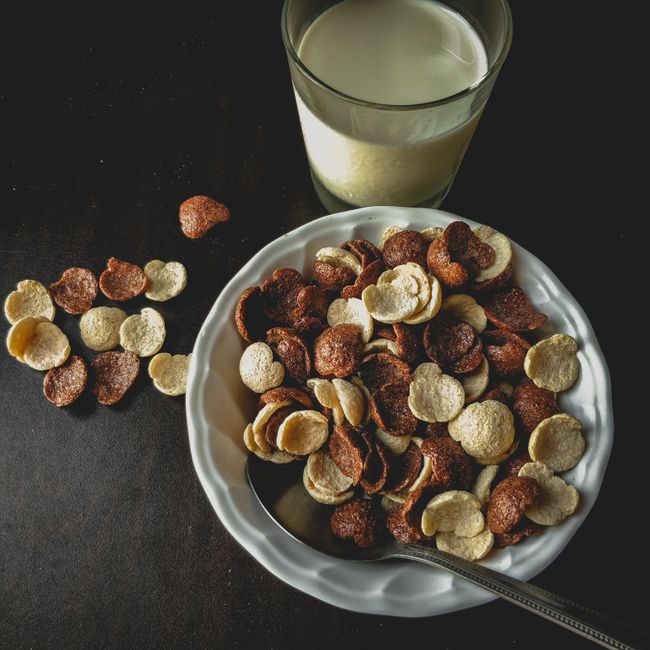
Core Ingredients and Their Functions
Wheat flour delivers bulk and fiber, cocoa powder adds chocolate flavor and antioxidants, sugar sweetens the mix, and a pinch of salt enhances taste and balances sweetness. Together they create a quick‑cook, comforting breakfast that’s both simple and satisfying. Add a dash of cinnamon for extra warmth!

2.1 Wheat, Cocoa, Sugar, Salt Proportions
Standard proportions for a single serving of homemade Coco Wheats are straightforward. Use 3 tablespoons of the dry Coco Wheats mix, which typically contains a blend of wheat flour, cocoa powder, sugar and a small amount of salt. Combine this with 1 cup of liquid—water or milk—depending on your preference for a lighter or creamier texture. If you like a sweeter bowl, add 1 tablespoon of sugar; for a more balanced flavor, a half‑teaspoon of salt can be included. These ratios produce a thick, comforting consistency that holds up well when microwaved for a minute or two. Adjust the liquid amount slightly if you prefer a thinner or thicker consistency: add an extra ¼ cup for a looser mix or reduce by ¼ cup for a denser result. The dry mix is usually pre‑measured in tablespoons, making it easy to scale up or down. For a larger batch, simply multiply each component by the number of servings desired, ensuring the proportions remain the same to preserve the intended taste and texture. This method guarantees a quick, hassle‑free breakfast that can be customized with optional spices or toppings later on. In the original commercial mix, the ratio of wheat to cocoa is roughly 4:1 by weight, giving a mild chocolate flavor without overpowering the wheat base. The sugar content is about 15 % of the dry mix, while salt is just 1–2 % of the total weight. These precise percentages help maintain consistency across batches, so feel free to experiment within these ranges to suit your palate. Add pinch of cinnamon or drizzle of honey, splashof vanilla extract. Now?!.

Equipment Essentials for Making It
Essential tools: a deep microwave‑safe bowl, a measuring cup or spoon for dry mix, a liquid measuring cup, a small whisk or spoon for stirring, and a timer or microwave with power settings. Keep everything clean and ready for a quick, mess‑free prep. Use a saucepan if you prefer stovetop cooking now.
3.1 Microwave‑Safe Bowl and Measuring Cups
Choosing the right vessel is the first step toward a flawless Coco Wheats experience. A deep, microwave‑safe bowl—preferably ceramic or tempered glass—provides ample space for the mix to expand without spilling. The bowl should be at least 12 ounces in capacity to accommodate the 3 tablespoons of dry mix, a cup of liquid, and the inevitable bubbling that occurs during heating. Avoid plastic containers that may melt or leach chemicals when exposed to high microwave power; instead, opt for BPA‑free, microwave‑approved options that can withstand repeated use. A sturdy lid or a microwave‑safe plastic wrap can help trap steam, ensuring even cooking and preventing splatter. When measuring, use a standard 1‑cup measuring cup for liquids and a 3‑tsp or 1‑tbsp measuring spoon for the dry mix. Precision is key: too little liquid can cause a dry, gritty texture, while excess liquid may lead to a soupy consistency. If you prefer a more precise measurement, a digital kitchen scale can convert volume to weight, allowing you to weigh 15 grams of dry mix and 240 grams of liquid for perfect results. Keep all measuring tools clean and dry to avoid contamination, and store them in a dry cabinet to prevent moisture buildup. With the right bowl and accurate measurements, you’ll set the stage for a smooth, evenly cooked Coco Wheats that’s ready to serve in minutes. For extra comfort, stir in a tablespoon of butter or a splash of vanilla after microwaving, then let the mixture sit for a minute to thicken before topping with fruit. Enjoy a cozy breakfast in minutes.
Step-by-Step Preparation Process
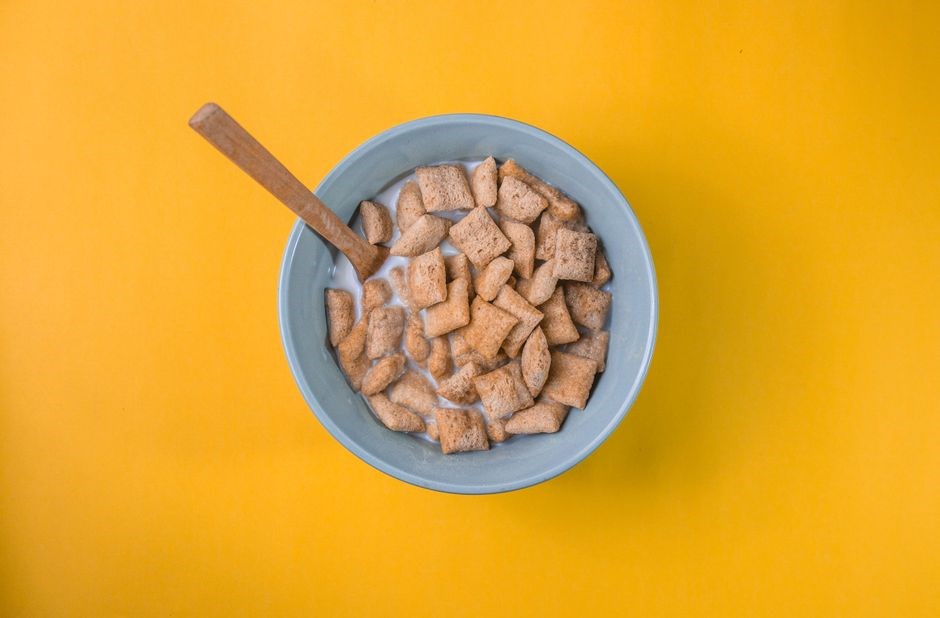
Combine 3 tbsp Coco Wheats, 1 cup water or milk, 1/8 tsp salt, and 1 tbsp sugar (optional) in a deep microwave‑safe bowl. Stir until smooth, then microwave on high for 1 minute. Let sit 30 seconds, stir again, and serve hot with fruit or spices Add a pinch of cinnamon or a splash of vanilla for extra flavor
4.1 Mixing Dry and Liquid Components
Begin by measuring the dry ingredients: 3 tablespoons of Coco Wheats, 1/2 teaspoon of salt, and 1 tablespoon of sugar if desired. Place the dry mix into a deep, microwave‑safe bowl to allow room for expansion. Next, pour in the liquid—either 1 cup of water or 1 cup of milk—depending on your preference for a lighter or creamier texture. Stir the mixture thoroughly with a wooden spoon or a silicone spatula until the dry ingredients are fully incorporated and the batter is smooth, with no lumps. The mixture should be thick enough to cling to the sides of the bowl but still pourable. If the batter feels too thick, add a splash of liquid, a tablespoon at a time, until the desired consistency is achieved. Conversely, if it’s too runny, sprinkle a little more dry mix and stir again. Once the batter is uniform, cover the bowl with a microwave‑safe lid or a damp paper towel to prevent splattering. This step also helps keep the heat evenly distributed during cooking. Finally, let the mixture rest for 30 seconds before microwaving; this allows the dry ingredients to absorb the liquid fully, ensuring a smoother texture once heated. After microwaving, stir again to break up any steam pockets, and the Coco Wheats will be ready to serve. If you prefer a richer taste, substitute milk for water and add a dash of vanilla extract. The result is a velvety, chocolate‑infused porridge that feels like a treat for day. Enjoy for flavor; Keep warm in bowl.
Microwave Cooking Guidelines
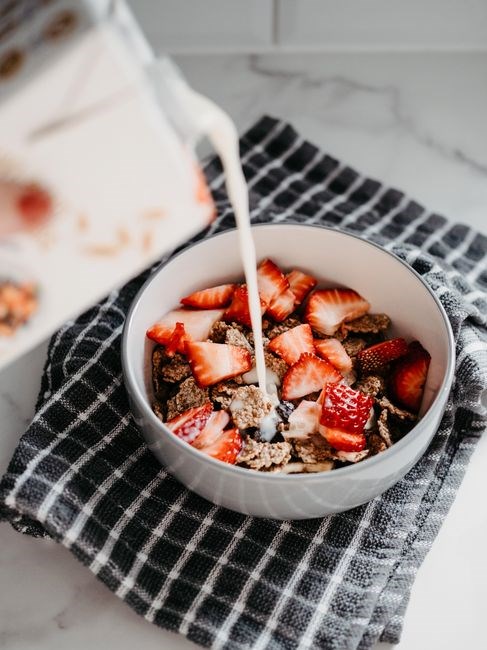
Place the bowl in the microwave on high power (100%) for 1 minute. After the timer, stir gently, then microwave again for 30‑60 seconds until thickened. Use a gentle stir to avoid splatter and ensure even heat. Let stand 30 seconds before serving. Enjoy warm! Fast
An easy, quick‑cook breakfast that blends wheat, cocoa, sugar and a pinch of salt into a comforting, sweet cereal. Originally a northern staple, it’s hard to find in the South, so many make a copycat mix at home. Just combine the dry mix with water or milk, microwave, and enjoy. Serve hot with berries or cinnamon.
5.1 Power Level, Timing, and Stirring Technique
For the best texture, set your microwave to full power (100 %) and cook the mixture in short bursts. A 1‑minute initial cycle is typical for a standard 1‑cup volume, but the exact time can vary with the wattage of your appliance. After the first minute, remove the bowl, stir the contents thoroughly with a wooden spoon or heat‑resistant spatula to distribute heat evenly and prevent hot spots. Return the bowl to the microwave and cook for an additional 30‑60 seconds, checking for the desired consistency. If the mixture is still too runny, add a few more seconds in 10‑second increments, stirring after each burst. The key is to avoid over‑cooking, which can cause the oats to become gummy or the cocoa to scorch. Once the mixture reaches a thick, porridge‑like state, let it sit for 30 seconds to settle before serving. This brief rest allows the steam to redistribute, ensuring a mouthfeel. For a richer flavor, consider using milk instead of water; however, keep in mind that dairy may require slightly longer cooking times. Always use a microwave‑safe bowl to reduce splatter and allow steam to escape. If you prefer a creamier texture, stir in a splash of milk or a dollop of yogurt after microwaving and stir in a tablespoon of honey for extra sweetness. Finally, remember to keep the microwave door closed during cooking and monitor the mixture closely to prevent overflow. By mastering these timing and stirring nuances, you’ll consistently achieve a silky, satisfying bowl of Coco Wheats that delights both kids and adults alike daily!!

Flavor Variations and Add-Ins
Add milk instead of water for creamier texture, stir in cinnamon for warmth, or sprinkle extra cocoa powder for deeper flavor. Mix in fruit, nuts, or a spoonful of peanut butter for protein. Experiment with sweeteners like honey or maple syrup to suit taste. Add a splash of vanilla or sea salt for depth and cocoa.
6.1 Milk vs Water, Cinnamon, Cocoa Powder Options
Choosing the liquid base is the first flavor decision. Water keeps the mix light and lets the cocoa’s natural sweetness shine, while milk adds a creamy body and a subtle nutty note that many find comforting. or skim milk work; oat or almond milk offer alternatives. After the base is chosen, a dash of ground cinnamon can be stirred in for a warm spice that complements the chocolatey undertone. A light sprinkle of cocoa powder, either unsweetened or sweetened, deepens the chocolate flavor and gives the cereal a richer color. For a sweeter finish, add a teaspoon of honey or maple syrup, or a pinch of brown sugar. Finally, top with fresh berries, sliced banana, or a handful of toasted nuts for texture and extra nutrients. Each variation can be adjusted to taste, allowing you to craft a personalized, satisfying breakfast in minutes.
If you prefer a lower‑sugar option, omit the added sweetener and let the cocoa’s natural bitterness balance the wheat. For a protein boost, stir in a tablespoon of peanut butter or a scoop of protein powder microwaving; the heat melts the butter, creating silky texture. Those who enjoy a hint of spice can add a pinch of cayenne pepper or a dash of nutmeg. For a vegan twist, use coconut milk and a drizzle of maple syrup. Experimenting with different milk bases—such as soy, cashew, or oat—can also alter the mouthfeel and flavor profile, allowing you to tailor the dish to your dietary preferences for richer taste.

Storage and Shelf Life Tips
Keep the mix sealed at room temperature; it stays fresh for up to 3 weeks. Refrigerate cooked cereal in an airtight jar for 5 days. Avoid moisture to prevent clumping. Store dry mix in a cool pantry to extend shelf life. Keep dry. Keep sealed.Use a tight lid to keep dry.
7.1 Airtight Containers and Refrigeration Practices
Storing coco wheats properly ensures that each spoonful remains fluffy, flavorful, and safe to eat. The first step is to keep the dry mix in an airtight container—glass jars with screw‑on lids, BPA‑free plastic tubs, or vacuum‑sealed bags all work well. The goal is to cut out air, which is the main culprit behind staleness, clumping, and the loss of cocoa aroma. When you open the container, let the mix cool to room temperature before resealing it; this prevents condensation from forming inside the container, which can turn the dry mix into a sticky, mold‑prone mess. For cooked coco wheats, transfer the hot mixture into a clean, airtight container and allow it to cool completely at room temperature. Once cooled, seal the container and place it in the refrigerator. In the fridge, cooked coco wheats will stay fresh for up to five days, and the cocoa flavor will deepen slightly, giving the dish a richer taste. If you want to keep the mix for longer, you can freeze the cooked version. Use a freezer‑safe container with a tight seal; frozen cooked coco wheats can last up to two months. When you’re ready to eat, thaw the portion in the refrigerator overnight or microwave it for a short burst—just enough to warm it without overcooking. Always use a clean utensil when scooping out servings to avoid contaminating the rest of the batch. Store the mix in a cool, dry place away from heat.now!

Serving Ideas and Nutritional Snapshot
Top suggestions: drizzle maple syrup, sprinkle cinnamon, add fresh berries, or stir in a splash of milk. cup delivers ~150 calories, 5g protein, 30g carbs, 2g fiber, 10g sugar. Adjust sweetness with optional sugar or use unsweetened cocoa for lower sugar.
8.1 Fruit Toppings, Spices, and Calorie Breakdown
Fruit toppings can elevate Coco Wheats from a simple bowl to a vibrant breakfast. Fresh blueberries, sliced strawberries, diced mango, or a handful of chopped apples add natural sweetness and a burst of antioxidants. For a tropical twist, sprinkle shredded coconut or a splash of coconut milk. If you prefer a low‑calorie option, opt for berries and a drizzle of unsweetened almond milk.
Spices are the secret to deepening flavor without extra calories. A pinch of ground cinnamon, nutmeg, or cardamom can transform the dish, while a dash of vanilla extract or a splash of espresso powder introduces subtle complexity. For a spicy kick, add a pinch of cayenne pepper or a few drops of hot sauce.
Calorie breakdown per serving (1 cup cooked, 1 cup water): 150 kcal, 5 g protein, 30 g carbohydrates, 2 g fiber, 10 g sugar. Adding ½ cup fresh fruit increases calories by 20–40 kcal but adds 3–5 g fiber and 5–10 g natural sugars. Cinnamon adds negligible calories, while a tablespoon of honey adds ~64 kcal. Adjust portions to match dietary goals.
Lorem ipsum dolor sit amet, consectetur adipiscing elit. Lorem ipsum dolor sit amet, consectetur adipiscing elit. Lorem ipsum dolor sit amet, consectetur adipiscing elit. Lorem ipsum dolor sit amet, consectetur adipiscing elit. Lorem ipsum dolor sit amet, consectetur adipiscing elit. Lorem ipsum dolor sit amet, consectetur adipiscing elit. Lorem ipsum dolor sit amet, consectetur adipiscing elit. Lorem ipsum dolor sit amet, consectetur adipiscing elit. Lorem ipsum dolor sit amet, co