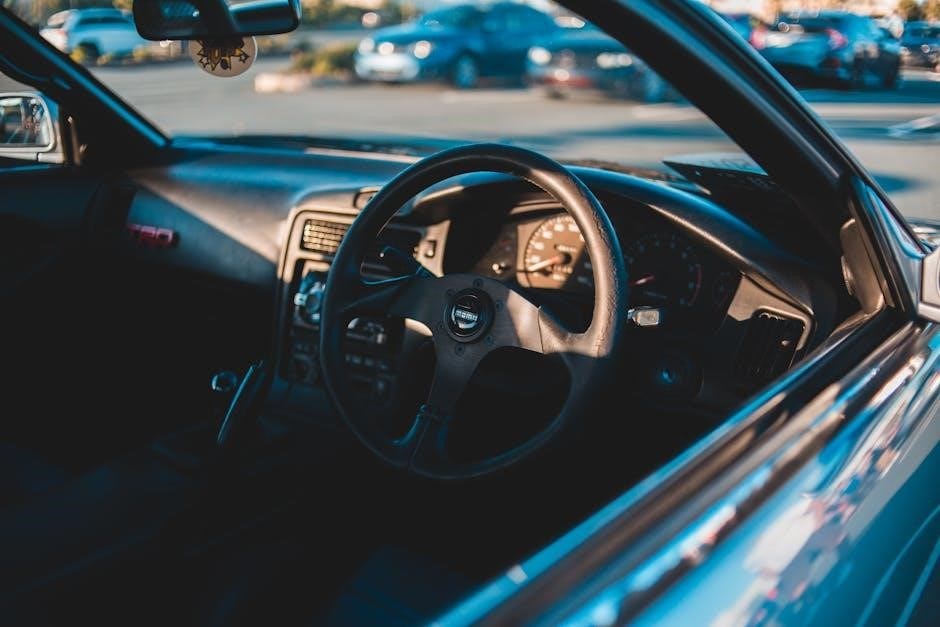
2jz manual gearbox
The 2JZ engine‚ famed for its robust design and tuning potential‚ pairs exceptionally well with manual gearboxes‚ offering a driver-focused experience.
Initially appearing in 1991‚ the 2JZ quickly gained notoriety‚ especially the turbocharged 2JZ-GTE variant‚ becoming a favorite for performance enthusiasts.
Its inline-six configuration and durable construction allowed for significant power upgrades‚ making it a prime candidate for swaps and high-performance builds.
Historical Context of the 2JZ
The 2JZ engine’s origins trace back to Toyota’s JZ series in the early 1990s‚ designed as a replacement for the older 7M-GTE. Initially intended for the Toyota Supra‚ Soarer‚ and Chaser‚ the 2JZ quickly established itself as a powerhouse.
The introduction of the 2JZ-GTE‚ the turbocharged variant‚ marked a turning point‚ offering substantial performance gains and attracting a dedicated following. This engine’s inherent strength and ability to handle significant boost made it a favorite among tuners.
Coupled with manual transmissions like the W58 and R154‚ the 2JZ provided a direct and engaging driving experience. The combination became synonymous with Japanese sports car culture‚ fostering a legacy of performance and customization that continues today.
The 2JZ-GTE: A Turbocharged Legend
The 2JZ-GTE‚ a 3.0-liter inline-six with sequential twin turbochargers‚ quickly ascended to legendary status. Its robust cast-iron block and aluminum cylinder head allowed for substantial power increases beyond factory specifications.
Paired with a manual gearbox‚ the 2JZ-GTE offered unparalleled control and driver engagement‚ becoming a staple in the import performance scene. The engine’s ability to withstand high boost pressures‚ combined with the direct connection of a manual transmission‚ created a thrilling driving experience.
The 2JZ-GTE’s reputation for reliability and tunability cemented its place in automotive history‚ inspiring countless builds and modifications‚ often utilizing manual swaps for enhanced performance.
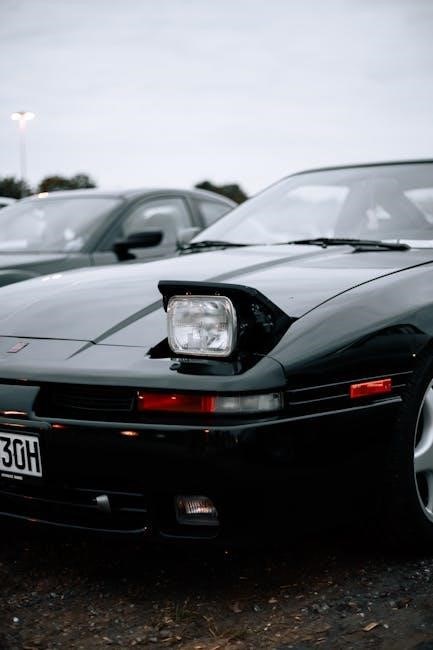
2JZ Engine Specifications
The 2JZ is a 3.0-liter inline-six engine‚ available in naturally aspirated (2JZ-GE) and turbocharged (2JZ-GTE) forms‚ often paired with manual transmissions.
Engine Displacement and Configuration
The 2JZ engine boasts a displacement of 3.0 liters (2‚997 cc or 182.89 cubic inches)‚ achieved through its inline-six cylinder configuration. This design‚ essentially two inline-three engines working in unison‚ contributes to its exceptional balance and smoothness.
The inline-six layout inherently minimizes vibrations‚ enhancing the driving experience when coupled with a manual gearbox. This configuration also allows the engine to withstand higher revolutions per minute (RPM) without significant stress‚ a crucial factor for performance applications.
The engine utilizes a cast-iron block and an aluminum cylinder head‚ providing a robust and lightweight structure. This combination is vital for handling the increased power output often associated with 2JZ builds and manual transmission setups.
Naturally Aspirated vs. Turbocharged Versions (2JZ-GE & 2JZ-GTE)
The 2JZ family includes both naturally aspirated (2JZ-GE) and turbocharged (2JZ-GTE) variants‚ each offering distinct characteristics when paired with a manual gearbox. The 2JZ-GE‚ found in models like the Lexus IS300 and some Supras‚ delivers a smooth‚ responsive power delivery ideal for daily driving and spirited road use.
Conversely‚ the 2JZ-GTE‚ a twin-turbocharged powerhouse‚ provides significantly higher horsepower and torque‚ demanding a robust manual transmission to handle the increased output. This version is renowned for its immense tuning potential‚ making it a favorite among performance enthusiasts seeking maximum power.
The choice between the two depends on the driver’s intended use; the GE offers refinement‚ while the GTE delivers exhilarating performance.
Production Years and Discontinuation (1991-2007)
The 2JZ engine‚ including both GE and GTE variants suitable for manual transmissions‚ enjoyed a production run from 1991 to 2007. Initially debuting in Toyota’s flagship models‚ its availability spanned across various vehicles‚ including the Supra‚ Aristo‚ and Lexus GS300/IS300. Despite its popularity and performance capabilities‚ Toyota officially discontinued 2JZ production in the early 2000s‚ with final units rolling off the line around 2007.
This discontinuation hasn’t diminished its appeal; rather‚ it’s fueled a thriving aftermarket and a dedicated community focused on maintaining and upgrading these engines.
The enduring demand keeps used 2JZs and compatible manual gearboxes readily available‚ albeit at increasingly premium prices.
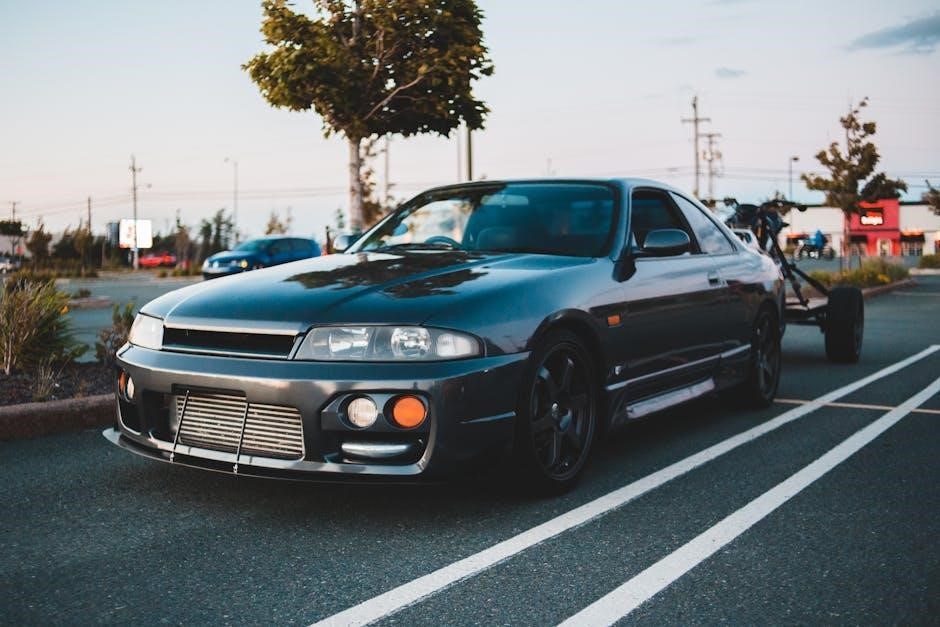
Manual Gearbox Options for the 2JZ
Several manual transmissions complement the 2JZ engine‚ including the durable W58‚ the stronger R154‚ and the high-performance V160/V161 options.
W58 Transmission: Common and Durable
The W58 transmission is a widely recognized five-speed manual gearbox frequently paired with the 2JZ engine‚ particularly in non-turbocharged applications and early Supra models. Known for its robust construction and relative affordability‚ the W58 offers a dependable solution for those seeking a manual driving experience.
While not as strong as the R154‚ the W58 can handle moderate power levels‚ making it suitable for daily driving and mild performance upgrades. It’s a common choice for 2JZ swap projects due to its availability and ease of installation. However‚ exceeding its torque capacity can lead to premature wear or failure.
Regular maintenance‚ including fluid changes‚ is crucial for maximizing the W58’s lifespan. Many enthusiasts consider it a cost-effective starting point for a 2JZ manual swap‚ offering a balance between durability and budget.
R154 Transmission: Stronger‚ for Higher Power
The R154 is a significantly stronger five-speed manual transmission‚ often chosen for 2JZ builds aiming for substantial power gains. Originally found in the Toyota Supra Turbo and other high-performance vehicles‚ it boasts a more robust internal design compared to the W58.
Capable of handling considerably higher torque loads‚ the R154 is a preferred option for turbocharged 2JZ engines undergoing extensive modifications. Its strength makes it ideal for drag racing‚ drifting‚ and other demanding applications. However‚ it’s generally more expensive and harder to find than the W58.
Proper installation and clutch compatibility are vital when using an R154 with a 2JZ. Regular maintenance‚ including fluid checks and changes‚ will ensure its longevity and reliable performance.
V160/V161 Transmission: Premium Performance Options
The V160 and V161 transmissions represent the pinnacle of Toyota’s manual gearbox engineering‚ offering exceptional strength and precision for high-performance 2JZ applications. These six-speed manuals were initially found in later-model Supras and other premium vehicles.
The V161 is particularly sought after due to its closer gear ratios‚ enhancing acceleration and overall driving experience. Both transmissions are significantly more expensive and rarer than the W58 or R154‚ reflecting their superior build quality and performance capabilities.
Installation requires specialized knowledge and often custom components‚ but the resulting drivetrain is incredibly durable and responsive‚ capable of handling extreme power levels.
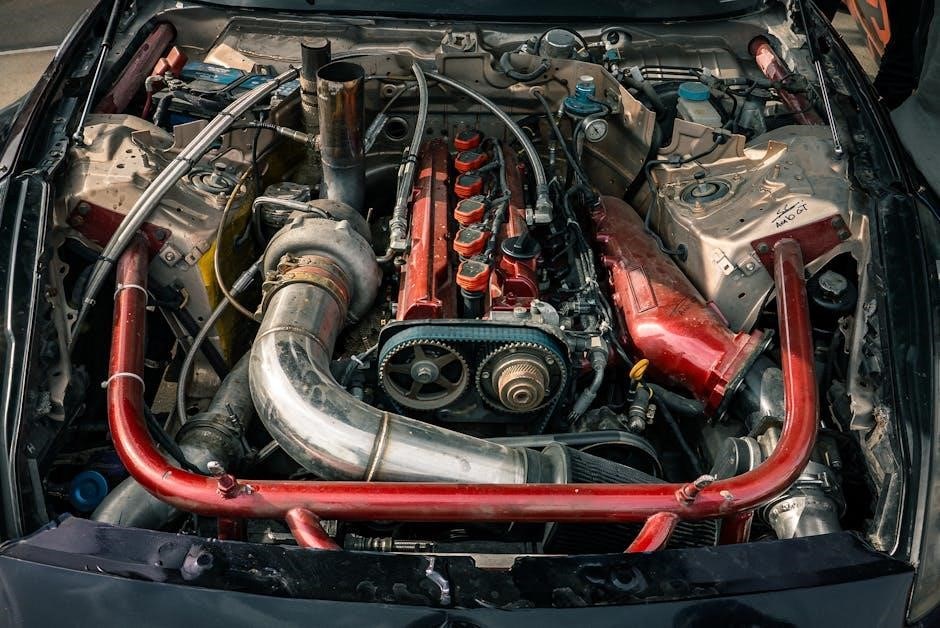
Compatibility and Installation
Successfully integrating a 2JZ with a manual gearbox demands careful planning‚ considering chassis limitations and necessary adapter plates for optimal fitment and function.
2JZ Swap Considerations for Different Chassis
Embarking on a 2JZ swap‚ particularly when paired with a manual gearbox‚ requires meticulous planning tailored to the receiving chassis. For example‚ the popular Toyota Supra (MKIV) offers a relatively straightforward swap due to existing mounting points and wiring harness compatibility. However‚ integrating the 2JZ into a chassis like a BMW E36 or Nissan 240SX presents greater challenges.
These often necessitate custom engine mounts‚ transmission crossmembers‚ and extensive modifications to the driveshaft and exhaust system. Wiring harness integration is also crucial; aftermarket solutions or professional harness editing are typically required. Furthermore‚ consider the chassis’s structural integrity and suspension capabilities‚ as the 2JZ’s increased power demands upgrades to handle the added stress. Cooling system capacity must also be addressed to prevent overheating.
Adapting Manual Gearboxes to Non-Manual Vehicles
Converting an automatic vehicle to a 2JZ and manual gearbox combination demands careful attention to detail beyond simply bolting components together. A crucial aspect is the pedal assembly – sourcing and installing a manual brake and clutch pedal setup is essential. The steering column may also require modification or replacement to accommodate a clutch master cylinder.
Furthermore‚ the vehicle’s transmission tunnel often needs reshaping to provide adequate clearance for the manual gearbox and driveshaft. Wiring modifications are inevitable‚ requiring integration of the clutch switch and potentially the speedometer signal. Don’t forget the often-overlooked detail of the shifter linkage; precise alignment is vital for smooth gear changes.
Required Components for a Successful Swap
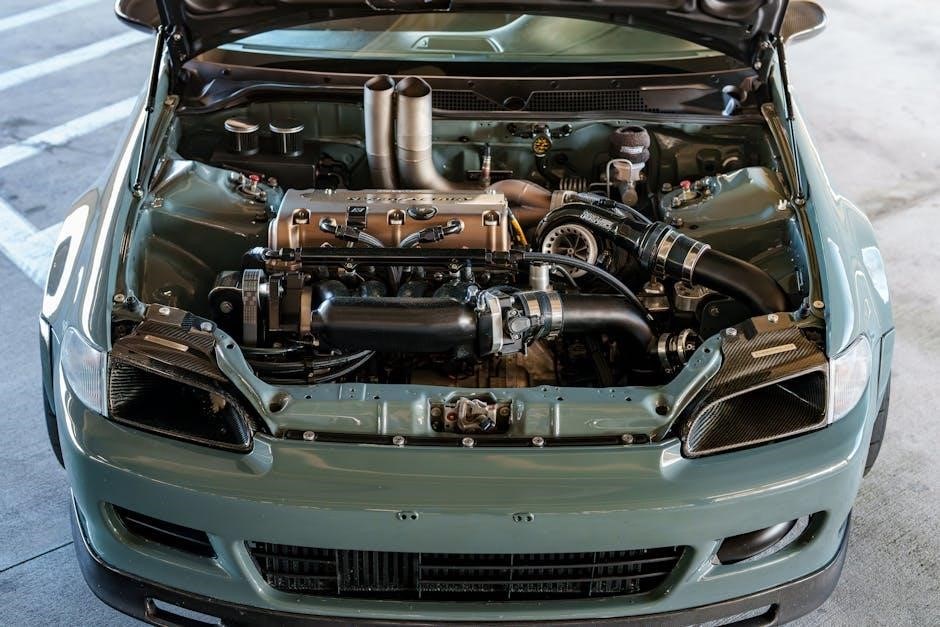
A comprehensive 2JZ manual swap necessitates more than just the engine and gearbox. Essential components include a complete engine wiring harness‚ an ECU compatible with the 2JZ‚ and potentially a standalone engine management system. The chosen manual transmission – W58‚ R154‚ or V160 – requires a matching flywheel and clutch assembly‚ sized appropriately for the anticipated power level.
Don’t overlook the need for new engine mounts‚ potentially custom-fabricated to fit the target chassis. A high-flow fuel pump and injectors are often necessary to support increased power. Finally‚ a suitable driveshaft‚ tailored to the new transmission’s output flange‚ is crucial for proper function.
Performance and Tuning
The 2JZ‚ when paired with a manual gearbox‚ unlocks substantial performance gains through tuning‚ allowing for impressive horsepower and torque figures.
Upgrades like turbochargers‚ fuel injectors‚ and ECU recalibration maximize potential‚ while a robust clutch handles increased power;
Power Potential of the 2JZ with Manual Transmission
The 2JZ engine‚ especially the 2JZ-GTE‚ exhibits remarkable power potential when coupled with a manual transmission. Stock‚ the 2JZ-GTE produced 276 horsepower and 318 lb-ft of torque‚ but this is merely a starting point.
With relatively modest modifications – such as an upgraded turbocharger‚ fuel injectors‚ and a performance exhaust – outputs exceeding 500 horsepower are readily achievable. More extensive builds‚ incorporating forged internals and larger turbos‚ can easily push beyond 800-1000 horsepower.
The manual transmission’s direct connection enhances control and allows the driver to fully utilize the engine’s powerband. A properly matched clutch is crucial to handle the increased torque‚ preventing slippage and ensuring efficient power transfer. The 2JZ’s inherent strength and the manual gearbox’s reliability create a potent combination for serious performance.
Common Tuning Modifications for Increased Performance
Several key modifications unlock the 2JZ’s full potential when paired with a manual gearbox. Upgrading the turbocharger is paramount‚ with options ranging from bolt-on replacements to larger‚ more complex kits. Larger fuel injectors and a high-flow fuel pump are essential to support the increased airflow.
An aftermarket ECU provides precise control over fuel and ignition timing‚ maximizing power and efficiency. Intercooler upgrades reduce intake temperatures‚ further boosting performance. Strengthening the engine internals with forged pistons and connecting rods is crucial for high-horsepower builds.
Optimizing the exhaust system with a high-flow downpipe and cat-back exhaust minimizes restrictions‚ allowing the engine to breathe freely. These modifications‚ combined with proper tuning‚ deliver substantial gains.
Clutch Upgrades for Increased Torque Capacity
When increasing the 2JZ’s power output with a manual gearbox‚ the stock clutch is often the first component to fail. Upgrading to a performance clutch is therefore essential for reliability. Options include sprung-hub clutches‚ offering a balance of drivability and holding power‚ and solid-hub clutches‚ designed for extreme torque.
Clutch disc material choices range from organic to ceramic‚ with ceramic providing superior heat resistance and grip. A strengthened pressure plate is also crucial‚ ensuring consistent clamping force. Flywheel material impacts weight and heat dissipation; lightweight flywheels improve responsiveness.
Proper clutch break-in is vital to maximize lifespan and prevent glazing. Selecting the correct clutch for your power level and driving style is paramount.
Reliability and Maintenance
The 2JZ engine and its paired manual gearbox are remarkably durable‚ but regular maintenance is key. Consistent fluid checks and timely replacements ensure longevity.
Common 2JZ Engine Issues
While exceptionally robust‚ the 2JZ engine isn’t entirely without potential issues‚ even when paired with a manual gearbox. A common concern is leakage from the rear main seal‚ often requiring replacement over time. The timing belt‚ crucial for engine synchronization‚ needs periodic inspection and replacement – typically around 60‚000 to 90‚000 miles – to prevent catastrophic failure.
Turbocharger issues can arise in the 2JZ-GTE‚ including oil leaks or bearing failure‚ particularly on heavily modified engines. Furthermore‚ the stock fuel injectors may struggle to keep up with significant power increases‚ necessitating upgrades. Regarding the manual transmission itself‚ worn synchronizers can lead to difficulty shifting‚ and clutch wear is expected with spirited driving or high torque levels. Regular fluid changes and careful driving habits can mitigate many of these potential problems‚ ensuring the 2JZ’s legendary reliability endures.
Manual Gearbox Maintenance Schedule
Maintaining the manual gearbox paired with a 2JZ engine is crucial for longevity and smooth operation. A fluid change‚ utilizing a high-quality GL-4 gear oil‚ should occur every 30‚000 to 60‚000 miles‚ depending on driving conditions. Inspect the transmission for leaks regularly‚ paying attention to the input and output seals.
Clutch inspection is vital; check for slippage or unusual wear patterns‚ especially after performance modifications. The clutch master and slave cylinders should be inspected for leaks and proper function. Consider replacing the clutch hydraulic fluid every two years to prevent corrosion. Finally‚ listen for any unusual noises during shifting‚ which could indicate worn synchronizers or bearings‚ requiring professional attention. Adhering to this schedule ensures reliable performance.
Preventative Measures for Long-Term Reliability
To maximize the lifespan of a 2JZ and manual gearbox combination‚ proactive measures are essential. Avoid aggressive shifting and clutch dumping‚ as these stress the drivetrain components. Ensure proper clutch cable adjustment (if applicable) or hydraulic system bleeding for optimal engagement.
Regularly inspect the shifter linkage for wear and play‚ addressing any looseness promptly. Use only recommended gear oil types and change intervals. Consider installing a transmission cooler‚ especially for heavily modified or track-used vehicles. Finally‚ address any unusual noises or vibrations immediately‚ as ignoring them can lead to catastrophic failure and costly repairs.
The 2JZ in Popular Vehicles
The Toyota Supra MKIV is iconic with its 2JZ and manual transmission‚ while the Lexus IS300 offered a 2JZ-GE manual option for enthusiasts.
Toyota Supra (MKIV) and Manual Transmissions
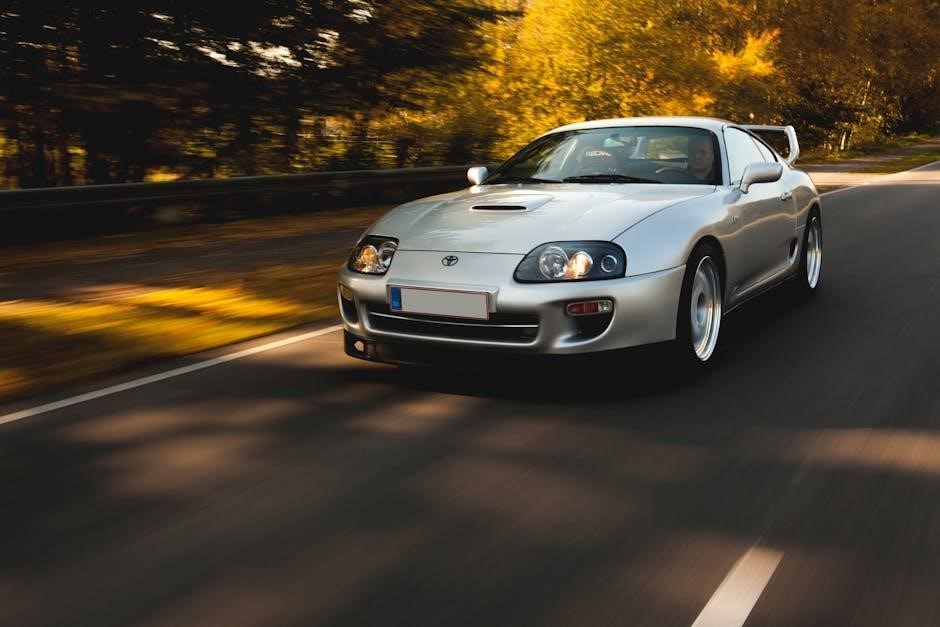
The Toyota Supra MKIV represents the pinnacle of 2JZ and manual gearbox synergy‚ becoming a legendary sports car celebrated for its performance capabilities. While the automatic transmission was more common‚ the 6-speed Getrag V160 manual offered a truly engaging driving experience.
This transmission‚ known for its robustness‚ could handle the immense power potential of the 2JZ-GTE‚ making it a favorite among tuners and racers. The manual Supra commands a significant premium in the collector’s market due to its rarity and desirability.
The combination of the powerful engine and precise manual control created a uniquely rewarding driving experience‚ solidifying the MKIV Supra’s place in automotive history. Finding a well-maintained manual MKIV is increasingly challenging‚ but the reward is a truly exceptional vehicle.
Lexus IS300 and its 2JZ-GE Manual Option
The Lexus IS300 offered a unique opportunity for enthusiasts seeking a 2JZ engine with a manual transmission‚ providing a more affordable entry point compared to the Toyota Supra. Equipped with the naturally aspirated 2JZ-GE‚ the IS300’s 5-speed manual gearbox delivered a sporty and engaging driving experience.
Though less powerful than the turbocharged 2JZ-GTE‚ the 2JZ-GE proved remarkably tunable‚ and the IS300’s chassis offered a balanced platform for modifications. This combination made it a popular choice for drifting and street performance builds.
The IS300’s manual variant is now highly sought after‚ representing a compelling blend of luxury‚ reliability‚ and performance potential‚ making it a modern classic.
Other Vehicles Utilizing the 2JZ Engine
Beyond the Supra and IS300‚ the 2JZ engine found its way into several other Toyota models‚ though manual transmission options were less common. The Toyota Chaser‚ Cresta‚ and Mark II – popular in the Japanese domestic market – occasionally featured the 2JZ-GTE paired with a manual gearbox.
These vehicles‚ often favored for drifting and street racing‚ offered a similar performance potential as the Supra‚ albeit with different styling and features. Finding these models with a factory manual transmission is increasingly rare‚ adding to their collectibility.
The 2JZ’s versatility allowed for swaps into various chassis‚ expanding its presence in the automotive aftermarket and solidifying its legendary status.
Cost and Availability
2JZ engines and compatible manual gearboxes command high prices‚ reflecting their demand and relative scarcity. Sourcing requires diligent searching and careful evaluation.
Current Market Value of 2JZ Engines
The current market value of a 2JZ engine varies significantly based on condition‚ variant (GE or GTE)‚ and included accessories. A running 2JZ-GE‚ the naturally aspirated version‚ typically ranges from $1‚500 to $3‚500‚ while a 2JZ-GTE‚ the sought-after turbocharged model‚ can easily fetch between $3‚000 and $8‚000 or even higher.
Engines with low mileage and complete wiring harnesses command premium prices. Complete‚ swapped engine and transmission packages (including a manual gearbox like the W58 or R154) often exceed $10‚000. Prices have been steadily increasing due to continued demand and the engine’s discontinuation in 2007. Expect to pay a premium for engines sourced from Japan‚ as import costs add to the overall expense.
Finding and Sourcing Manual Gearboxes
Sourcing a suitable manual gearbox for a 2JZ swap requires diligent searching. Popular options like the W58‚ R154‚ and V160/V161 are commonly found through online marketplaces such as eBay‚ Craigslist‚ and dedicated Toyota enthusiast forums. Salvage yards specializing in Japanese imports can also be fruitful‚ though condition verification is crucial.
The R154‚ known for its strength‚ often commands a higher price. Expect to spend between $800 and $2‚500 depending on condition. Importing directly from Japan can offer more options‚ but involves shipping costs and potential import duties. Thoroughly inspect any gearbox before purchase‚ checking for smooth shifting and any signs of damage.
Cost of a Complete 2JZ Manual Swap
The financial commitment for a complete 2JZ manual swap varies significantly‚ depending on the chosen components and labor costs. A running 2JZ engine can range from $3‚000 to $10‚000+‚ while a suitable manual gearbox (W58‚ R154‚ or V160) adds $800 to $3‚000.
Additional expenses include adapters ($300-$800)‚ a new clutch kit ($200-$500)‚ wiring harnesses ($500-$1‚500)‚ and potentially a custom driveshaft ($300-$600). Professional installation can easily add $2‚000 to $5‚000 or more. Therefore‚ a budget of $6‚000 to $15‚000+ is realistic for a well-executed swap.
Future of the 2JZ
Despite discontinuation in 2007‚ the 2JZ’s aftermarket support remains strong‚ ensuring continued availability of parts for manual gearbox conversions and performance upgrades.
Continued Popularity in the Aftermarket
The 2JZ engine‚ and specifically its pairing with manual transmissions‚ enjoys immense and sustained popularity within the aftermarket tuning community. This enduring appeal stems from the engine’s inherent robustness and exceptional potential for power gains‚ even with relatively simple modifications.
A vast ecosystem of aftermarket parts suppliers caters specifically to the 2JZ‚ offering everything from high-performance turbochargers and fuel injectors to strengthened crankshafts and connecting rods; Crucially‚ a wide selection of manual gearboxes – the W58‚ R154‚ and V160/V161 – are readily available‚ alongside adapter plates and conversion kits.
This robust aftermarket support ensures that enthusiasts can continue to build‚ modify‚ and maintain 2JZ-powered vehicles for years to come‚ solidifying its legacy as a cornerstone of the performance automotive world.
Potential for Future Production or Re-Engineering
Despite Toyota officially discontinuing 2JZ production in the early 2000s‚ speculation regarding a potential re-engineering or limited-run production persists among enthusiasts. The enduring demand and iconic status of the engine fuel these hopes‚ particularly when considering the resurgence of performance-oriented models from Toyota and Lexus.
A modernized 2JZ‚ perhaps incorporating contemporary engine technologies like direct injection and variable valve timing‚ could be a significant draw. Pairing this with a newly designed‚ robust manual transmission – or offering compatibility with existing aftermarket options like the R154 – would further enhance its appeal.
While currently unconfirmed‚ the possibility of a future 2JZ revival remains a tantalizing prospect for the automotive community.
The 2JZ Legacy in Automotive Culture
The 2JZ engine‚ particularly the 2JZ-GTE‚ has transcended its origins as a powerplant to become a cultural icon within the automotive world. Its reputation for immense power potential‚ reliability‚ and tunability has cemented its place in motorsports‚ street racing‚ and modification scenes globally.
The combination of the 2JZ with a manual gearbox amplifies this legacy‚ representing a purist’s approach to performance. It embodies a direct connection between driver and machine‚ favored by those seeking ultimate control and engagement.
The engine’s presence in popular media and its enduring appeal to enthusiasts ensure its continued relevance for generations to come.