
hanuman baan pdf
Hanuman Baan: An Overview
Hanuman Baan, often found as a PDF, encompasses stotras and mantras dedicated to Lord Hanuman, revered for devotion and strength․
What is Hanuman Baan?
Hanuman Baan represents a collection of powerful hymns, mantras, and verses dedicated to Lord Hanuman, a central figure in Hindu mythology and the epic Ramayana․ Frequently distributed as a PDF document for convenient access, it’s a spiritual practice intended to invoke Hanuman’s blessings․
These texts aren’t a single, fixed composition; rather, they encompass various stotras like the Hanuman Chalisa and Hanuman Ashtak, alongside other potent mantras․ A typical Hanuman Baan PDF will contain these verses in Devanagari script, often with transliterations and translations to aid understanding and recitation․ The purpose is to connect with Hanuman’s divine energy, seeking strength, courage, devotion, and protection from obstacles․
The Significance of Hanuman Baan
The Hanuman Baan holds immense significance for devotees seeking spiritual upliftment and worldly benefits․ Often accessed through a readily available PDF, reciting these verses is believed to foster unwavering devotion, mirroring Hanuman’s dedication to Lord Rama․
It’s considered a powerful tool for overcoming obstacles, enhancing courage, and gaining strength – qualities Hanuman embodies․ The PDF format allows widespread accessibility, enabling individuals to incorporate this practice into their daily routines․ Beyond personal growth, the Baan is thought to provide protection from negative energies and promote overall well-being․ Its verses are a testament to selfless service and divine power, inspiring devotees to cultivate similar virtues․
Historical Context of the Hanuman Baan
The origins of the Hanuman Baan are deeply rooted in the ancient epic, the Ramayana, narrating Hanuman’s heroic deeds and unwavering devotion․ While the precise compilation date remains debated, the verses likely evolved through oral tradition over centuries․ The emergence of the PDF format represents a modern adaptation, facilitating wider dissemination of these sacred texts․
Early versions were likely handwritten or recited by spiritual leaders․ References to Hanuman’s worship appear in texts like the Hanuman Chalisa and Hanuman Ashtak, forming core components of the Baan․ The accessibility offered by a PDF ensures preservation and continued practice, connecting contemporary devotees to this rich historical and spiritual legacy․

The Ramayana and Hanuman’s Role
Hanuman’s pivotal role in the Ramayana, a tale often accessible via PDF versions, establishes him as a symbol of devotion and strength․
Hanuman’s Devotion to Lord Rama
Hanuman’s unwavering devotion to Lord Rama is central to his story, frequently detailed within Hanuman Baan PDFs․ These digital texts showcase his selfless service and absolute loyalty, illustrating a bond that transcends the typical devotee-deity relationship․ He isn’t merely a servant, but a steadfast companion, willingly undertaking any task for Rama’s sake․
The Hanuman Baan, as presented in various PDF formats, emphasizes this devotion through powerful stotras and mantras․ Recitation aims to embody Hanuman’s qualities, fostering similar dedication in practitioners․ His actions throughout the Ramayana – from delivering Rama’s ring to Sita to retrieving the Sanjeevani herb – are testaments to his profound love and commitment, readily available for study within these accessible documents․
Hanuman’s Strength and Abilities
Hanuman’s extraordinary strength and diverse abilities are consistently highlighted within Hanuman Baan PDFs․ He possesses immense physical power, capable of feats like lifting mountains and leaping across oceans, often depicted in illustrations accompanying the text․ Beyond brute force, Hanuman exhibits mastery over various disciplines, including multiple languages and the Vedas, knowledge often alluded to in the mantras․
These PDF resources detail his ability to change form, becoming incredibly small or immensely large at will․ The Hanuman Baan itself is believed to invoke these qualities in the devotee, fostering inner strength and resilience․ Studying these texts reveals Hanuman isn’t simply powerful physically, but also spiritually, embodying courage, wisdom, and unwavering determination – attributes sought through recitation․
Hanuman’s Key Deeds in the Ramayana
Hanuman Baan PDFs frequently recount Hanuman’s pivotal actions within the Ramayana, emphasizing his unwavering devotion to Lord Rama․ Key deeds, like locating Sita in Lanka, are central to the narratives often included alongside the mantras and stotras․ The burning of Lanka, a demonstration of his power, is also a recurring theme within these digital texts․
These PDF resources detail his courageous journey across the ocean, a symbol of overcoming immense obstacles․ Bringing the Sanjeevani herb to heal Lakshmana showcases his selfless service and quick thinking․ The Hanuman Baan isn’t merely recitation; it’s a remembrance of these heroic acts, inspiring devotees to emulate Hanuman’s dedication and bravery․
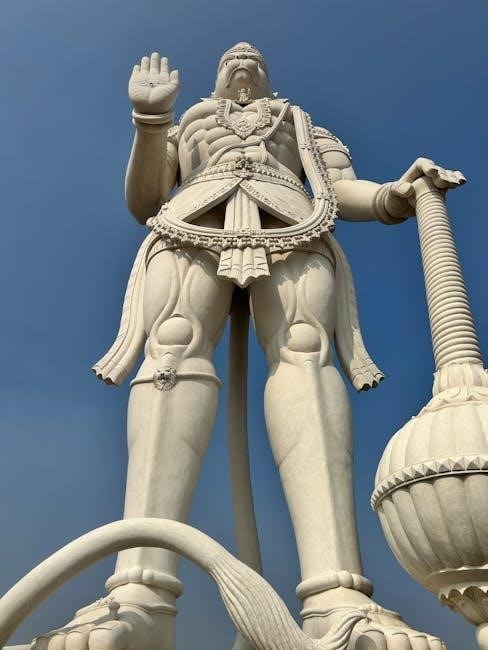
Understanding the Hanuman Baan PDF
Hanuman Baan PDFs typically contain the Hanuman Chalisa, Ashtak, and other mantras, offering a portable format for devotional practice and study․
What is Included in a Typical Hanuman Baan PDF?
A comprehensive Hanuman Baan PDF generally features a collection of sacred verses and hymns dedicated to Lord Hanuman․ Central to most versions is the Hanuman Chalisa, a forty-verse devotional hymn, widely recited for its spiritual benefits․ Alongside the Chalisa, you’ll often find the Hanuman Ashtak, comprising eight verses praising Hanuman’s virtues and exploits․
Many PDFs also include various other mantras, stotras, and aartis dedicated to the deity․ Some may offer transliteration in Roman script alongside the original Sanskrit, aiding those unfamiliar with the Devanagari script․ Furthermore, certain PDFs provide explanations of the mantras’ meanings and significance, enhancing understanding and devotion․ Occasionally, you might encounter illustrations or depictions of Lord Hanuman within these digital texts, enriching the overall experience․
Different Versions of the Hanuman Baan
Numerous versions of the Hanuman Baan exist, primarily differing in the inclusion of specific stotras and mantras beyond the core Hanuman Chalisa and Ashtak․ Some PDF versions prioritize brevity, focusing solely on these essential hymns․ Others are more expansive, incorporating a wider range of devotional songs and verses sourced from various scriptures․
Regional variations also contribute to the diversity; certain communities favor specific mantras or aartis unique to their traditions․ The order of verses can sometimes differ, though the core message of devotion remains consistent․ Digitally available PDFs reflect this variety, ranging from simple text-based documents to elaborately formatted versions with illustrations and detailed explanations․ Authenticity can vary, so careful selection is crucial․
Authenticity and Sources of Hanuman Baan PDFs
Determining the authenticity of Hanuman Baan PDFs requires careful consideration․ Many sources offer these texts online, but their accuracy isn’t always guaranteed․ Reputable sources include websites associated with established Hindu organizations, like the Sri Ramakrishna Math, known for publishing traditional texts․
Published books, such as those by Swami Satyananda Saraswati or Shanti Lal Nagar, often serve as reliable bases for PDF transcriptions․ Be wary of PDFs lacking clear provenance or containing significant deviations from established versions of the Hanuman Chalisa or other core stotras․ Cross-referencing with multiple sources is advisable to ensure accuracy and avoid corrupted or altered texts․

The Power and Benefits of Reciting Hanuman Baan
Hanuman Baan recitation, accessible via PDF, offers spiritual upliftment, protection from obstacles, and cultivates courage—reflecting Hanuman’s divine attributes․
Spiritual Benefits of Recitation
Accessing Hanuman Baan through a PDF facilitates a profound spiritual journey․ Regular recitation fosters a deeper connection with Lord Hanuman, embodying devotion and selfless service․ This practice cultivates inner peace, reduces mental clutter, and enhances concentration․ The powerful mantras within the Hanuman Baan are believed to purify the mind and heart, dissolving negative energies and promoting positive transformation․
Furthermore, consistent chanting can awaken dormant spiritual potential, leading to increased self-awareness and a stronger sense of purpose․ The verses, when recited with sincerity, are said to invoke divine grace and blessings, accelerating spiritual growth․ Many practitioners report experiencing a heightened sense of joy, contentment, and unwavering faith through dedicated recitation of this sacred text, readily available in PDF format․
Protection and Removal of Obstacles
The Hanuman Baan, conveniently accessible as a PDF, is widely believed to offer potent protection against negative influences and unforeseen challenges․ Reciting these powerful stotras and mantras creates a shield of divine energy, safeguarding individuals from harm, both physical and spiritual․ It’s considered particularly effective in overcoming obstacles that hinder progress and success in various aspects of life․
Many devotees utilize the Hanuman Baan PDF to dispel negativity, ward off evil eye, and neutralize malicious energies․ The verses are thought to invoke Hanuman’s strength and courage, empowering individuals to face difficulties with resilience and determination․ Consistent recitation is said to clear pathways, remove blockages, and facilitate a smoother, more harmonious life journey, offering solace and security․
Enhancing Courage and Strength
Accessing the Hanuman Baan as a readily available PDF is believed to significantly enhance inner courage and fortitude․ Lord Hanuman embodies unwavering bravery and selfless service, and reciting his stotras is thought to instill these qualities within the devotee․ This practice cultivates a resilient spirit, enabling individuals to confront challenges with confidence and determination․
The verses within the Hanuman Baan PDF are powerful affirmations of strength, both physical and mental․ Regular recitation is said to diminish fear, boost self-esteem, and empower individuals to overcome limitations․ Devotees often turn to Hanuman’s mantras when facing difficult situations, seeking his divine energy to bolster their resolve and navigate obstacles with unwavering strength and a fearless heart․

Hanuman Baan: The Stotras and Mantras
Hanuman Baan PDF versions commonly include the Hanuman Chalisa and Hanuman Ashtak, alongside other potent mantras for devotion and strength․
The Hanuman Chalisa
The Hanuman Chalisa, a central component within most Hanuman Baan PDF documents, is a devotional hymn of forty verses praising Lord Hanuman․ Widely recited by devotees, it’s believed to bestow blessings of courage, strength, and devotion․ Many PDF versions offer transliteration alongside the original Sanskrit verses, aiding in correct pronunciation․
The Chalisa details Hanuman’s virtues, his unwavering service to Lord Rama, and his extraordinary abilities․ Reciting it is considered a powerful practice for overcoming obstacles and achieving spiritual growth․ Numerous Hanuman Baan PDFs include variations and interpretations of the Chalisa, alongside explanations of its significance․ Finding a reliable PDF source ensures authenticity and accurate verses for effective recitation․
The Hanuman Ashtak
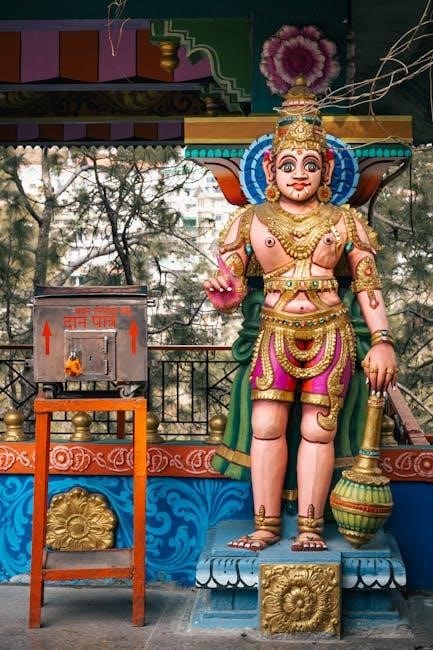
The Hanuman Ashtak, frequently included within comprehensive Hanuman Baan PDF collections, comprises eight verses dedicated to praising Lord Hanuman’s glory and virtues․ It’s a potent hymn for seeking Hanuman’s blessings, particularly for strength, devotion, and protection from negative energies․ Many PDF versions present the Ashtak alongside transliteration and translations, facilitating understanding and accurate recitation․
This hymn beautifully describes Hanuman’s unparalleled devotion to Lord Rama and his remarkable feats in the Ramayana․ Reciting the Hanuman Ashtak, often found in Hanuman Baan PDFs, is believed to purify the mind and enhance spiritual awareness․ Authentic PDF sources are crucial for ensuring the verses are accurate and aligned with traditional practices․
Other Important Mantras within Hanuman Baan
Beyond the Hanuman Chalisa and Ashtak, numerous other powerful mantras are often compiled within a complete Hanuman Baan PDF․ These include various Hanuman stotras, bija mantras (seed syllables), and specific verses designed for fulfilling particular desires, like overcoming obstacles or gaining courage․ Many PDF resources categorize these mantras based on their intended purpose, aiding practitioners in selecting the most appropriate one․
Authentic Hanuman Baan PDFs frequently feature mantras for protection, health, and spiritual growth․ Careful sourcing is vital, as variations exist․ Reciting these mantras, as detailed in a reliable PDF, is believed to invoke Hanuman’s divine intervention and bestow his blessings upon the devotee, fostering inner strength and unwavering faith․

Practical Guide to Using a Hanuman Baan PDF
Hanuman Baan PDFs offer accessible mantras; finding a reliable source is key for authentic recitation and maximizing spiritual benefits․
Finding a Reliable Hanuman Baan PDF
Locating a trustworthy Hanuman Baan PDF requires careful consideration, as numerous versions circulate online with varying degrees of authenticity․ Prioritize sources associated with established religious organizations or respected scholars of Hindu scriptures․ Look for PDFs originating from Sri Ramakrishna Math, or those referencing works by Swami Satyananda Saraswati, as these are generally considered reliable․
Be cautious of websites offering free downloads without clear attribution or editorial oversight․ Cross-reference the content with known Hanuman stotras like the Hanuman Chalisa and Hanuman Ashtak to verify accuracy․ A reputable PDF will typically include clear transliteration, translations, and potentially, explanations of the mantras’ significance․ Always ensure the PDF is free from intrusive advertisements or requests for personal information, safeguarding your digital security while pursuing spiritual practice․
Proper Recitation Techniques
Effective Hanuman Baan recitation, guided by a PDF, demands respect and focused intention․ Begin by finding a quiet, clean space, free from distractions․ Traditionally, facing east is preferred․ Before starting, purify yourself with a bath and offer a small prayer to Lord Ganesha for obstacle removal․
Pronunciation is crucial; utilize the transliteration provided in the PDF to ensure accurate articulation of each mantra․ Recite with clarity and devotion, focusing on the meaning of the verses․ Maintain a consistent rhythm and avoid rushing․ Many suggest reciting the Hanuman Chalisa 108 times for significant benefits․ Regular, sincere recitation, rather than sporadic attempts, yields the greatest spiritual rewards․
Frequency and Timing of Recitation
Determining the ideal frequency and timing for reciting the Hanuman Baan, as detailed in a PDF guide, depends on individual circumstances and goals․ Daily recitation is highly recommended for consistent spiritual benefits and protection․ Tuesdays, considered Hanuman’s day, are particularly auspicious․
Many devotees choose to recite during Brahmamuhurta (the hour before sunrise) for enhanced potency․ Recitation during times of distress or facing obstacles is also beneficial․ A complete reading of the Hanuman Chalisa, often included in PDFs, can be done daily, weekly, or during specific events․ Consistency is key; even a short, sincere recitation is more valuable than infrequent, lengthy sessions․
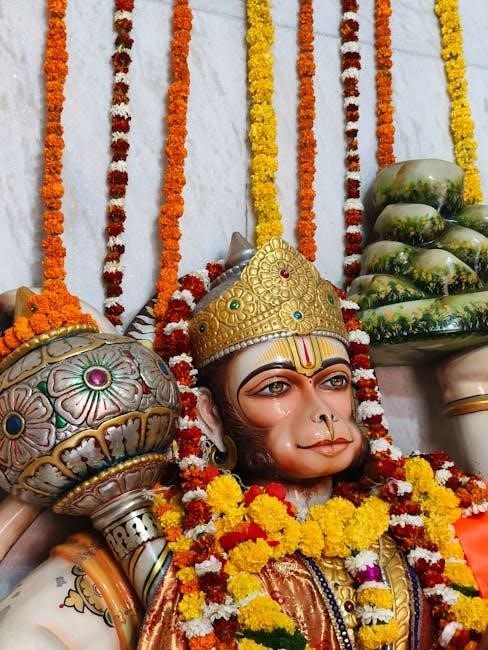
Hanuman in Art, Culture and Literature
Hanuman, frequently depicted in art and literature, is often featured alongside the Hanuman Baan PDF, symbolizing devotion and strength․
Hanuman’s Depiction in Temples
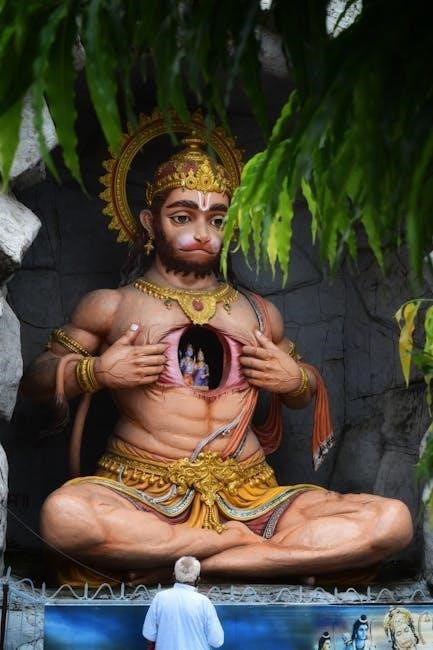
Hanuman’s presence is pervasive throughout Indian temples, often portrayed in dynamic poses reflecting his strength and devotion to Lord Rama․ Statues frequently showcase him wielding his mace, a symbol central to narratives found within the Hanuman Baan PDF texts․ These depictions aren’t merely artistic; they serve as focal points for worship and contemplation․
Temples dedicated solely to Hanuman are common, and within larger temple complexes, he’s often prominently featured․ The visual representations frequently align with descriptions detailed in the Hanuman Baan, emphasizing his unwavering loyalty and courageous spirit․ Many temples also house copies of the Hanuman Baan PDF for devotees to study and recite, further connecting the art with the sacred text․ The imagery reinforces the virtues celebrated within the stotras and mantras․
Hanuman’s Representation in Art
Hanuman’s artistic depictions consistently emphasize his divine power and unwavering devotion, themes deeply rooted in the verses of the Hanuman Baan PDF․ Paintings and sculptures frequently portray him in anjali mudra, a gesture of reverence towards Lord Rama, mirroring the sentiments expressed within the stotras․ The mace, his favored weapon, is a recurring motif, symbolizing strength and protection, often detailed in Hanuman Baan illustrations․
Artistic representations also showcase his monkey-like form, a reminder of his Vanara lineage, yet imbued with a divine aura; These images, often inspired by narratives found within a Hanuman Baan PDF, serve as visual aids for devotees during recitation and contemplation․ The vibrant colors and dynamic poses capture the energy and heroism associated with Hanuman, reinforcing his role as a protector and embodiment of courage․
Hanuman’s Influence on Indian Literature
Hanuman’s character profoundly impacts Indian literature, particularly within texts related to the Hanuman Baan, often accessible as a PDF․ The Ramayana, the foundational epic, establishes his unwavering devotion and heroic deeds, inspiring countless adaptations and poetic interpretations․ The verses within a Hanuman Baan PDF frequently draw upon these narratives, amplifying his virtues of courage, loyalty, and selfless service․
Beyond the Ramayana, Hanuman appears in various devotional works and regional folklore, consistently embodying ideal qualities․ The Hanuman Chalisa, a core component of many Hanuman Baan PDFs, exemplifies this literary influence, becoming a widely recited and cherished hymn․ His story continues to resonate, shaping moral and spiritual themes in contemporary Indian writing, demonstrating his enduring legacy․
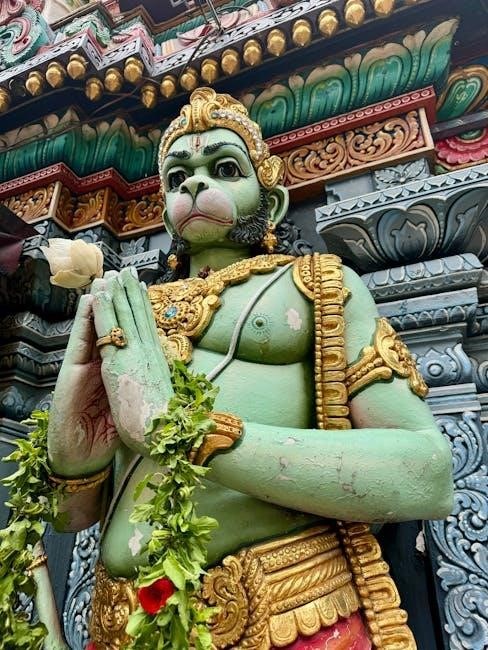
Hanuman: Different Names and Epithets
Hanuman, known by names like Bajrangbali and Anjaneya, is central to the Hanuman Baan, often studied via a convenient PDF format․
Anjaneya: The Son of Anjana
Anjaneya, meaning “son of Anjana,” is a foundational epithet for Lord Hanuman, deeply interwoven with the practice and understanding of the Hanuman Baan․ This name highlights his divine birth and maternal lineage, crucial aspects often detailed within Hanuman Baan PDFs․ These digital resources frequently explore the stories surrounding Anjana’s devotion and the circumstances of Hanuman’s birth, emphasizing his inherent strength and destined role․
The Hanuman Baan, as presented in various PDF versions, often begins by invoking Anjaneya, acknowledging his origins and establishing a connection to his powerful lineage․ Studying these texts reveals how Anjaneya’s identity as the son of Anjana isn’t merely a biographical detail, but a symbolic representation of unwavering faith and divine potential, central to the benefits sought through reciting the Hanuman Baan․
Maruti: The Wind God’s Son
Maruti, signifying “air” or “wind,” denotes Hanuman’s parentage as the son of the Wind God, Vayu․ This lineage is prominently featured within Hanuman Baan PDFs, explaining how his father’s power bestowed upon him extraordinary speed, agility, and strength – qualities essential to his heroic deeds․ The Hanuman Baan often invokes Vayu alongside Hanuman, recognizing the source of his divine abilities․
Many PDF versions detail the story of Vayu carrying Hanuman to Anjana, emphasizing the celestial intervention in his birth․ Understanding Maruti’s connection to Vayu enhances comprehension of the Hanuman Baan’s potency․ Recitation is believed to harness the energy of the wind itself, amplifying the mantra’s effects․ Therefore, exploring this aspect within a Hanuman Baan PDF provides deeper insight into the practice’s spiritual foundations․
Bajrangbali: The Powerful One
Bajrangbali, meaning “possessing the body of a vajra (diamond),” epitomizes Hanuman’s immense strength and invincibility․ This powerful aspect is central to the efficacy of the Hanuman Baan, frequently detailed within PDF versions․ These documents often highlight stories demonstrating his unparalleled power, like lifting mountains or crossing the ocean․
A Hanuman Baan PDF will typically explain how reciting mantras dedicated to Bajrangbali invokes this very strength in the devotee, offering protection and overcoming obstacles․ The name itself is often incorporated into the stotras found within these PDFs, reinforcing the connection between Hanuman and unwavering power․ Understanding this epithet deepens appreciation for the Hanuman Baan’s ability to instill courage and fortitude․
Hanuman Worship and Rituals
Hanuman Baan PDFs often detail puja vidhi, outlining rituals for worship, including mantra recitation and offerings to invoke blessings․
Hanuman Puja Vidhi
Hanuman Puja Vidhi, as detailed within many Hanuman Baan PDFs, outlines a structured worship process․ Typically, it begins with purification – both internal through prayer and external through cleansing the worship space․ An idol or image of Hanuman is consecrated, often adorned with flowers, especially marigolds, and sindoor (vermilion)․
Recitation of the Hanuman Baan itself, including the Hanuman Chalisa and other mantras, forms the core of the puja․ Offerings such as laddus (sweet balls), fruits, and incense are presented with devotion․
The aarti, a ritual of light, is performed, circling the lamp before Hanuman’s image․ Concluding with prayers for strength, devotion, and the removal of obstacles, the PDFs often emphasize sincere intention and faith as paramount․
Hanuman Jayanti Celebrations
Hanuman Jayanti, the birthday of Lord Hanuman, is a significant festival detailed in numerous Hanuman Baan PDFs as a particularly auspicious time for worship․ Celebrations typically involve special pujas dedicated to Hanuman, often incorporating extensive recitations from the Hanuman Baan – including the Hanuman Chalisa and Hanuman Ashtak․
Temples are beautifully decorated, and devotees gather for communal singing of devotional songs (bhajans) and chanting of mantras․ Many PDFs suggest performing a havan (sacred fire ritual) as part of the celebrations, offering prayers and oblations to the fire․
It’s common to offer laddus and other sweets to Hanuman, and devotees often engage in acts of selfless service, embodying Hanuman’s spirit of devotion․
Offerings to Lord Hanuman
Hanuman Baan PDFs frequently detail traditional offerings made to Lord Hanuman, reflecting his preferences and symbolic representations of devotion․ Laddus, especially those made with ghee and sugar, are considered highly auspicious and are almost always presented․ Other sweets, fruits like bananas – a favorite – and flowers are also common offerings․
Some PDFs suggest offering red sandalwood paste (chandan) and vermillion (sindoor) to symbolize strength and auspiciousness․ Devotees may also offer a mala (prayer beads) or a piece of cloth․
Importantly, the offering isn’t about extravagance but sincere devotion․ Many Hanuman Baan texts emphasize selfless service as the greatest offering, embodying Hanuman’s own dedication to Lord Rama;